



Getting dental implants is a major decision that affects your health and appearance for years to come. You want to feel confident that you’re working with a skilled professional who can give you the best results.
Asking the right questions during your consultation helps you find a qualified implant dentist and understand what to expect throughout the process.
The dentist’s training, experience, and approach to treatment all play important roles in how successful your implants will be. You should know about their credentials, the brands they use, and how they handle different parts of the procedure.
This guide covers the key topics you need to discuss before moving forward with treatment. You’ll learn about qualifications to look for, what affects your overall experience, and practical details like costs and timelines.
1) Are you AAID, ICOI, or ADA credentialed and can I see your implant certifications?
Credentials matter when it comes to dental implants. You want to make sure your dentist has proper training and expertise.
The American Academy of Implant Dentistry credentials dentists who specialize in implant procedures. AAID-credentialed dentists have advanced education in dental implant placement.
The International Congress of Oral Implantologists also offers certification programs for implant dentistry.
Don’t hesitate to ask your dentist about their qualifications. A trustworthy dentist will gladly show you their certifications and explain their training background.
The American Board of Oral Implantology offers a Diplomate designation, which is the highest credential available for implant practitioners. This shows a dentist has met rigorous standards in the field.
You can also search for ADA member dentists in your area to find qualified professionals. When you ask to see credentials, you’re making an informed choice about your dental care.
Your dentist should welcome this question and provide clear answers about their qualifications.
2) How many dental implants do you place annually and can you show before/after cases from Minot patients?

Experience matters when it comes to dental implants. You want a dentist who performs this procedure regularly, not just occasionally.
Ask your potential dentist how many dental implants they place each year. A dentist with high volume has likely handled many different situations and challenges.
They’ve worked with patients who have varying bone densities, oral health conditions, and restoration needs.
The number of implants placed in one surgery depends on your specific case. Some patients need just one or two implants, while others require 6-8 implants per visit for full-arch replacements also known as full-mouth reconstruction.
Before and after photos tell an important story. They show the dentist’s actual work and results. When reviewing these cases, look for patients with similar needs to yours.
Local cases from Minot patients are especially valuable. They demonstrate the dentist’s work in your community and with people who may face similar dental challenges as you.
Don’t hesitate to ask if you can speak with past patients about their experiences or go through patient reviews.
3) Will you perform my full treatment here from surgery to final restoration or refer out for parts of the process?
You want to know if your dentist handles everything or sends you to other specialists. Some dentists do the entire full mouth dental implant procedure themselves. Others work with a team of specialists.
Having one dentist manage your whole treatment can make things easier. You build a relationship with one office and don’t need to travel to multiple locations. Your care stays coordinated under one roof.
However, some cases benefit from specialists at different stages. A surgeon might place your implants while your regular dentist creates the final teeth. This approach lets experts focus on what they do best.
Ask your dentist about their specific role in your treatment. Find out who will handle the surgery, healing phase, and final restorations. Get details about any specialists they work with and how they communicate about your care.
Understanding the treatment structure helps you plan your schedule and know what to expect. You’ll feel more comfortable knowing exactly who will be involved at each step.
4) What implant systems/brands do you use (e.g., Nobel Biocare, Straumann, Zimmer Biomet) and why?
The implant brand your dentist chooses matters more than you might think. Different systems have different track records for success and longevity.
Ask which dental implant brands your dentist prefers. The top names include Straumann, Nobel Biocare, Zimmer Biomet, and Dentsply Sirona. These companies have decades of research backing their products.
Your dentist should explain why they use specific brands. Some dentists choose premium brands like Straumann and Nobel Biocare because they offer the most clinical data and innovation.
Others might use different systems that still deliver excellent results.
Listen for answers about success rates and long-term performance. A good dentist will talk about the science behind their choice, not just cost or convenience.
You also want to know if parts will be available years from now. More than 150 companies make implant components, but established brands ensure you can get replacement parts if needed.
This matters for maintenance down the road.
5) Can you provide a personalized timeline and cost estimate including CT scan, grafting, and any provisional teeth?
Getting a clear breakdown of costs upfront helps you plan and avoid surprises. Ask your implant dentist for a detailed estimate that covers all parts of your treatment.
CT scan costs typically range from $300 to $3,280 depending on your insurance. Your dentist should include this imaging fee along with costs for bone grafting if you need it.
Don’t forget to ask about provisional teeth, which you might wear while your implants heal.
A good dentist will give you a timeline showing each step. This includes your first evaluation, any grafting procedures, implant placement, healing time, and final restoration.
Treatment timelines help you understand how long each stage takes and what to expect.
Make sure you get the CPT codes for each procedure. These medical billing codes help you verify costs with your insurance company.
Remember that estimates are not contracts, and your final costs depend on your actual treatment needs and insurance benefits.
6) What sedation and pain management options do you offer (local, oral sedation, IV sedation) for implant surgery?
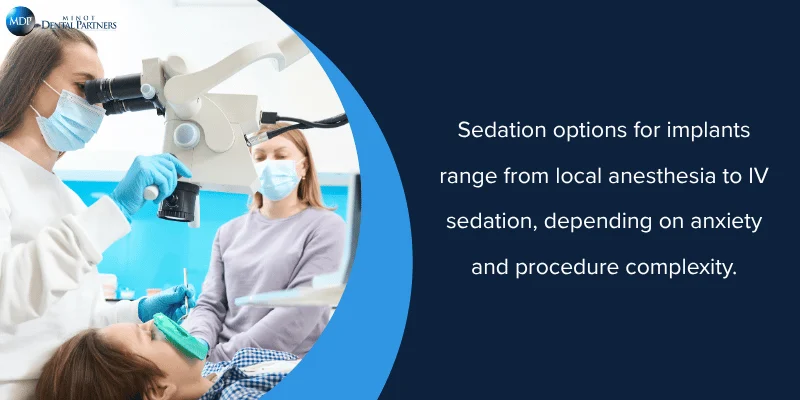
Your comfort during dental implant surgery matters. Ask your dentist what sedation options they provide to help you feel relaxed and pain-free.
Most dentists offer local anesthesia, which numbs the treatment area.
This works well for many patients having straightforward implant procedures. Some offices also provide nitrous oxide, commonly called laughing gas, which helps ease mild anxiety.
Oral sedation medications help you manage stress or anxiety during your procedure. You take a pill before your appointment and feel drowsy but remain awake. This option suits patients with moderate anxiety.
IV sedation produces a state of comfort and sedation that eases anxiety during more complex procedures. You may not remember much of the surgery afterward.
Ask if your dentist has training and certification to provide IV sedation safely.
Not all dental offices offer every sedation option. Your oral surgeon will work with you to decide on a personalized sedation plan based on your anxiety level and the complexity of your procedure.
Make sure you understand the costs, since some insurance plans don’t cover certain sedation types.
7) How do you handle bone grafting/sinus lifts and what are your success rates for these procedures?
Many patients need bone grafts or sinus lifts before getting dental implants. These procedures build up your jawbone when it’s too thin to support an implant. Your dentist should explain their approach clearly.
Ask about the specific techniques they use. Some dentists perform open or closed sinus lift methods, and you want to know which one suits your situation best.
Request their success rates for these procedures. A skilled implant dentist will have data showing positive outcomes. They should also discuss what materials they use for grafting and why they prefer them.
Find out about recovery time. Complete bone integration can take 4-12 months before you can get your implant placed. Your dentist should give you a realistic timeline based on your specific needs.
Ask how they monitor healing progress. Regular follow-ups ensure everything is developing properly before moving forward with implant placement.
Understanding Dental Implant Qualifications
A dentist’s training and credentials directly affect your implant success and safety. The right qualifications show that your dentist has the skills needed to handle your specific case.
Relevant Training and Education
General dentists can place implants, but specialized training makes a big difference in outcomes. You should ask if your dentist completed additional education beyond dental school.
Many dentists take courses in implant placement, but these can range from weekend seminars to multi-year programs.
Specialists like periodontists and oral surgeons receive extensive training in surgical procedures during their residency programs. These programs typically last three to six years beyond dental school.
This extra education focuses on gum tissue, bone structure, and complex surgical techniques.
You’ll want to know how many hours of implant-specific training your dentist has completed. Some dentists pursue mini-residencies or fellowship programs that provide hands-on experience with implant placement.
Ask about their educational background and whether they continue learning through ongoing courses. Experience and credentials both play a role in determining how well your procedure will go.
Professional Certifications
Beyond basic dental licensure, certain certifications show advanced expertise in implant dentistry.
The American Board of Oral Implantology and the International Congress of Oral Implantologists offer board certification to dentists who meet strict requirements.
These certifications require dentists to document their cases, pass written and oral exams, and demonstrate their skills. Board-certified implant dentists have proven their knowledge and experience to an independent organization.
You should also ask if your dentist belongs to professional organizations like the American Academy of Implant Dentistry. Membership often requires continuing education and staying current with new techniques.
These affiliations show that your dentist takes their implant work seriously and invests in their skills.
Factors That Impact Your Implant Experience
The dentist you choose affects more than just the surgery itself. The tools they use and how well they communicate with you can change your entire treatment from start to finish.
Technology and Facilities
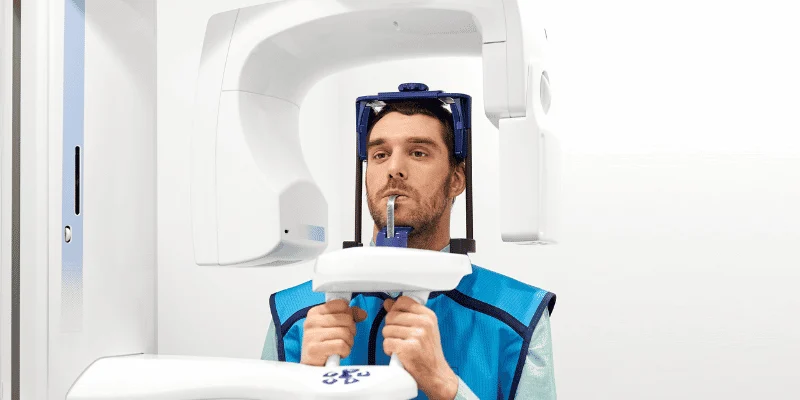
Modern dental technology makes implant procedures more accurate and comfortable. Digital imaging and 3D scanning help your dentist plan the exact placement of your implant before surgery begins.
Advanced facilities should have computer-guided surgery systems. These tools let dentists place implants with precision that wasn’t possible years ago. The result is less guessing and better outcomes for you.
Ask if the office uses digital impressions instead of traditional molds. Digital scans are faster and more comfortable. They also give your dentist a clearer picture of your mouth structure.
Check whether the practice has an on-site lab or partners with a quality dental lab. This affects how quickly you get your final crown and how well it matches your natural teeth.
Modern sterilization equipment is also essential for your safety during the procedure.
Patient Communication and Comfort
Good dentists explain every step before, during, and after your implant surgery. You should never feel confused about what’s happening with your treatment.
Your dentist should give you clear information about healing time and what to expect during recovery. They need to explain potential risks in plain language you can understand.
Questions about complications like infection or nerve damage deserve honest, straightforward answers.
The office should make you feel comfortable asking questions at any time. Staff members who listen to your concerns and respond promptly make a big difference in your experience.
Pay attention to how the dentist addresses your fears or anxiety about the procedure. Some offices offer sedation options or other comfort measures.
A dentist who takes time to understand your specific needs will help you feel more confident about moving forward.
Frequently Asked Questions
Choosing the right implant dentist involves understanding credentials, treatment specifics, candidacy requirements, timelines, costs, and ongoing care expectations.
These common questions help you gather the details you need to make a confident decision about your dental implant treatment in Minot.
How can I tell if a dentist is truly experienced with dental implant procedures?
Ask directly about their credentials and professional affiliations.
Look for memberships in organizations like the American Academy of Implant Dentistry (AAID), International Congress of Oral Implantologists (ICOI), or specialized training through the American Dental Association (ADA).
Find out how many implants they place each year. A dentist who performs the procedure regularly develops better skills and stays current with techniques.
Request to see before-and-after photos from actual patients they’ve treated. Better yet, ask if they have examples from Minot patients with similar needs to yours.
What questions should I ask about the type of implant system and materials being used?
Your dentist should explain which implant brand they use and why they chose it. Common systems include Nobel Biocare, Straumann, and Zimmer Biomet, which are well-established manufacturers with proven track records.
Ask about the materials in your specific implant. Most implants use titanium because it fuses well with bone, though some dentists offer zirconia alternatives for patients with metal sensitivities.
Find out if the implant system has long-term research supporting its success. You want components that are widely available in case you need future repairs or adjustments.
Am I a good candidate for implants, and what tests or imaging will you use to confirm it?
Your dentist will evaluate your overall health, jawbone quality, and gum condition. Certain medical conditions like diabetes may need treatment before you can get implants.
Most dentists use a CT scan or cone beam imaging to assess your bone density and structure. These images show exactly where nerves and sinuses are located to plan safe implant placement.
If your bone isn’t thick or tall enough, you might need bone grafting first. Your dentist should explain whether grafting is necessary and how it affects your timeline.
What will the full treatment timeline look like from consultation to final crown?
Total treatment time depends on your medical and dental health, bone quality, and whether you need additional procedures like extractions or grafting. Simple cases might take three to six months while complex cases can take a year or more.
The implant needs time to fuse with your jawbone before the final crown goes on. This healing period typically lasts three to six months for lower jaw implants and four to six months for upper jaw implants.
Ask if you’ll receive temporary teeth during the healing phase. Many dentists provide provisional teeth so you don’t have visible gaps while waiting for your permanent restoration.
What should I know about costs, financing options, and what’s included in the quoted price?
Get a detailed written estimate that breaks down all costs. This should include the consultation, imaging like CT scans, the implant surgery itself, any bone grafting needed, the abutment that connects the implant to the crown, and the final crown.
Ask what happens if complications arise or additional procedures become necessary. Some dentists include these in the original price while others charge separately.
Many dental offices offer payment plans or work with financing companies. Find out what options are available and whether they charge interest or require a down payment.
What kind of aftercare and long-term follow-up should I expect to keep your implant healthy?
You’ll need to attend follow-up appointments after surgery to monitor healing. These visits typically happen at one week, one month, three months, and six months post-surgery.
Your dentist should explain daily care instructions. Implants need brushing and flossing just like natural teeth, plus regular professional cleanings every six months.
Ask about the warranty or guarantee on your implant and crown. Many dentists offer protection plans, and implant manufacturers often provide warranties on their products.
You should know what advancements in dental implant technology your dentist uses to make procedures more precise and comfortable. Modern techniques can improve your outcomes and recovery experience.