


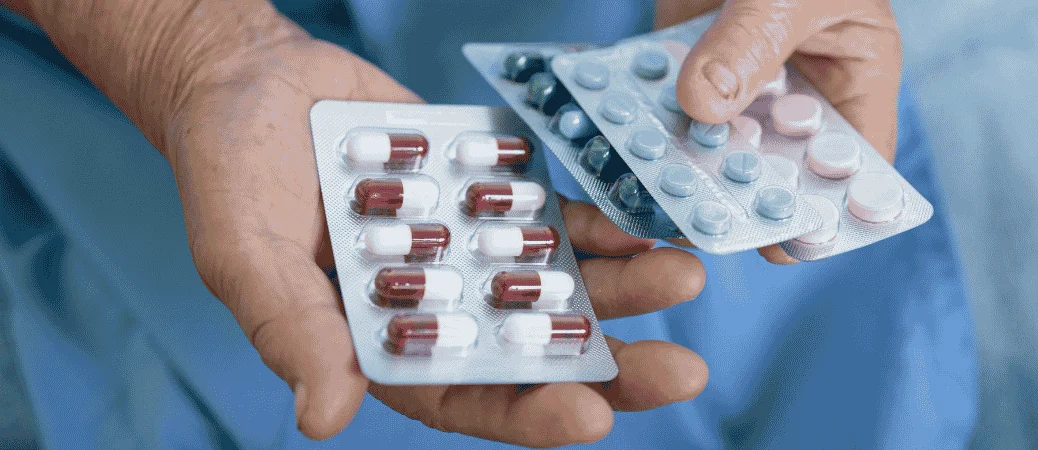
You expect dental implants to heal without trouble. But some medications you take each day can slow dental implant healing and raise the risk of implant failure.
Pain relievers, stomach acid drugs, antidepressants, steroids, and bone medications can all affect how your jawbone bonds with the implant.
Certain medications can delay osseointegration, the process that helps your dental implants fuse with bone and stay stable.
When this bond forms slowly or weakly, you face a higher risk of implant problems.
Research shows that drugs such as proton pump inhibitors and SSRIs may have a negative effect on implant success, as noted in this review on medications that influence dental implant osseointegration.
Other reports also highlight concerns about bone drugs like bisphosphonates and long-term NSAID use in relation to healing. When you understand these risks, you can plan treatment with more confidence.
Key Takeaways
- Some common medications can slow dental implant healing and affect implant success.
- Drugs that change bone health, stomach acid, mood, or inflammation may interfere with bone bonding.
- Careful planning with your dental team helps lower medication-related risks.
Table of Content
- How Systemic Medications Affect Osseointegration and Implant Stability
- Medications That Influence Bone Health and Implant Outcomes
- Influence of Psychotropic and Gastrointestinal Medications
- Role of Immunosuppressants and Other Systemic Agents
- Managing Medication Risks for Implant Success
- Frequently Asked Questions
How Systemic Medications Affect Osseointegration and Implant Stability
Systemic medications can change how your bone heals, remodels, and bonds to an implant. These changes affect osseointegration, implant stability, and long‑term implant survival.
Key Mechanisms Impacting Bone Healing
Osseointegration depends on healthy bone metabolism and steady blood flow. When you take certain medications, they can slow bone healing or change how bone cells work.
Drugs that alter hormones, calcium balance, or inflammation can affect osteoblasts and osteoclasts. These cells control bone formation and bone turnover. If their activity drops, your implant healing may take longer.
Some medications also reduce blood supply or interfere with collagen formation. That limits oxygen and nutrients around the implant site.
Research shows that systemic medications can influence bone‑implant integration and healing outcomes.
When bone metabolism shifts, early implant stability can suffer. Even small delays in bone healing can affect how firmly the implant bonds during the first few months.
Effects on Implant Stability and Survival
Primary stability depends on bone density and surgical fit. Secondary stability develops as bone remodeling locks the implant in place.
If you take medications that slow bone turnover or reduce bone density, your risk of implant failure may rise. Chronic drug use that interferes with bone healing can disrupt osseointegration and increase premature implant loss.
You may not notice early changes. But reduced implant stability can show up as mobility, bone loss, or peri‑implant tissue inflammation over time.
Studies note that systemic medications can affect implant survival and implant success rates by changing bone response and healing patterns.
Your dentist will often review your medication list before surgery to lower the risk of dental implant failure.
Bone Turnover and Remodeling Considerations
Bone remodeling is a constant cycle of breakdown and rebuilding. This process helps your implant adapt to chewing forces.
Some medications suppress bone turnover. Others speed it up. Both extremes can cause problems.
If bone turnover slows too much, old bone may not remodel around the implant surface. That can weaken long‑term implant stability.
On the other hand, excessive turnover may lead to reduced bone density and bone loss around the implant neck.
Researchers note that systemic medications can affect bone metabolism, healing, and vascular support, which directly impacts implant survival and peri‑implant tissue health.
When you understand how your medications affect bone remodelling, you and your dentist can plan timing, healing periods, and follow‑up care to protect implant success.

Medications That Influence Bone Health and Implant Outcomes
Some drugs change how your body builds and repairs bone. When bone turnover slows or blood supply drops, your implant may take longer to bond with the jaw or face a higher risk of failure.

Bisphosphonates and Their Impact on Jawbone
Bisphosphonates treat osteoporosis and other bone diseases by slowing bone breakdown. Common examples include alendronate, risedronate, and zoledronic acid.
These drugs increase bone mineral density, but they also reduce normal bone turnover. Your jaw needs active bone remodeling to fuse with a dental implant. When turnover slows too much, healing may take longer.
High‑dose or long‑term use, especially with IV forms like zoledronic acid, links to osteonecrosis of the jaw. This condition means part of the jawbone loses blood supply and fails to heal after dental surgery.
An umbrella review on systemic diseases and implant outcomes notes that some medications can affect osseointegration and implant survival, including bone‑active drugs such as bisphosphonates in certain settings, particularly in high‑risk patients receiving complex therapy.
If you take oral bisphosphonates for osteoporosis, your risk is usually lower than with IV cancer therapy. Still, your dentist should review:
- Type of bisphosphonate
- Dose and duration
- Reason for treatment
- Other health conditions
This information helps guide implant timing and surgical planning.
Denosumab, MRONJ, and Medication-Related Risks
Denosumab is another antiresorptive drug. It blocks a protein called RANKL, which reduces bone breakdown. Doctors often prescribe it for osteoporosis or cancer-related bone loss.
Like bisphosphonates, denosumab can increase the risk of medication-related osteonecrosis of the jaw (MRONJ). MRONJ includes exposed bone that does not heal within eight weeks after dental surgery.
You may face a higher risk if you:
- Receive high doses for cancer
- Have poor oral hygiene
- Need extractions or invasive implant surgery
- Use the drug long term
A review on the effect of anti-resorptive therapy on implant failure highlights concerns about implant complications in patients on these therapies, especially when other risk factors exist.
Denosumab does not stay in bone as long as bisphosphonates. However, stopping it without medical guidance can raise fracture risk. Your dentist and physician should coordinate care before implant placement.
Steroids and Corticosteroids: Glucocorticoids, Prednisone, Dexamethasone
Glucocorticoids such as prednisone and dexamethasone reduce inflammation. Doctors use them for asthma, autoimmune disease, and after organ transplants.
Long‑term steroid use can lower bone mineral density. It also reduces blood flow and slows collagen production. These changes can weaken bone and contribute to delayed healing after implant surgery.
Steroids may also:
- Suppress immune response
- Increase infection risk
- Slow soft tissue repair
Short‑term dexamethasone may control swelling after surgery, but research notes it can also delay tissue repair in certain settings.
If you take daily steroids, your dentist may adjust the surgical plan. In some cases, you may need medical clearance or changes in dosing around the time of surgery.
Chemotherapy Agents and Bone Healing
Chemotherapy drugs target fast‑growing cells. While they fight cancer, they can also affect healthy cells involved in bone repair.
Agents such as methotrexate may reduce cell turnover and interfere with bone formation. During active chemotherapy, your body may struggle to heal after implant placement.
Common concerns include:
- Lower white blood cell counts
- Higher infection risk
- Reduced bone regeneration
- Increased chance of implant failure
Your care team usually delays elective implant surgery until your blood counts recover and cancer therapy stabilizes.
Close coordination between your oncologist and dentist helps protect your healing and long‑term implant success.
Influence of Psychotropic and Gastrointestinal Medications
Some antidepressants and acid‑reducing drugs can change how your bone heals around an implant. These medications may affect bone turnover, calcium absorption, and implant stability during the healing phase.
Selective Serotonin Reuptake Inhibitors (SSRIs)
Selective serotonin reuptake inhibitors (SSRIs) treat depression and anxiety. Common examples include fluoxetine and sertraline.
These drugs change serotonin levels, and serotonin also plays a role in bone metabolism.
Research reviewed in this umbrella review on systemic diseases and medications and dental implants found that SSRIs may negatively affect implant osseointegration.
Osseointegration is the direct bond between bone and the implant surface. When this bond weakens, your risk of implant failure may rise.
Some systematic reviews also report higher implant failure rates in patients who take SSRIs compared to those who do not.
The exact risk varies between studies, and other factors like smoking or diabetes can also affect healing.
If you take fluoxetine, sertraline, or another SSRI, tell your dentist before implant surgery. You should never stop your medication on your own, but your dental team may plan closer follow‑up visits during healing.
Tricyclic Antidepressants and Bone Health
Tricyclic antidepressants are older medications used for depression and certain nerve pain conditions. They can affect your nervous system and may influence bone biology indirectly.
Some evidence suggests that long‑term antidepressant use may link to lower bone density. Lower bone density can reduce the strength of the bone that supports your implant.
While most research focuses on SSRIs, experts who review medications that affect dental outcomes note that drugs acting on the central nervous system can influence healing and prognosis.
If you take a tricyclic antidepressant, your dentist may evaluate:
- Your bone quality on imaging
- Your medical history and fracture risk
- Other risk factors like age or osteoporosis
Careful planning helps lower your chance of implant failure.
Proton Pump Inhibitors (PPIs) and Calcium Absorption
Proton pump inhibitors (PPIs) reduce stomach acid. Doctors often prescribe them for acid reflux or ulcers. Common PPIs include omeprazole and similar drugs.
Stomach acid helps your body absorb calcium from food. When PPIs lower acid levels, calcium absorption may decrease. Over time, this effect can influence bone remodeling.
The same umbrella review noted earlier found that PPIs may negatively affect implant osseointegration. Some systematic reviews also show an association between PPI use and increased implant failure rates, though results differ between studies.
If you take PPIs long term, your dentist may:
- Review how long you have used them
- Assess your bone health
- Coordinate care with your physician
You should not stop PPIs without medical advice, but you should make sure your dental team knows about them before implant placement.
Role of Immunosuppressants and Other Systemic Agents
Some medications change how your body heals after implant surgery. Drugs that affect your immune system, blood flow, or bone turnover can slow osseointegration and raise the risk of infection or gum problems.
Immunosuppressive Drugs and Implant Complications
Immunosuppressants lower your body’s defense system. Doctors prescribe them after organ transplants and for autoimmune diseases like rheumatoid arthritis or lupus.
When you take immunosuppressive drugs, your body may heal more slowly after implant surgery. You face a higher risk of infection because your immune cells do not respond as strongly to bacteria.
Research on immunosuppression and dentistry explains that suppressed immunity can lead to delayed healing and oral complications. In implant care, this can mean:
- Slower soft tissue closure
- Higher risk of peri-implant infection
- Greater chance of early implant failure
Some reviews show that implant survival can still be acceptable in patients with autoimmune disease, even when they use immunosuppressants.
You still need close monitoring and careful planning with your dentist and physician.
Cyclosporine, Tacrolimus, and Methotrexate Effects
Certain drugs deserve special attention. Cyclosporine and tacrolimus prevent organ rejection. Methotrexate treats autoimmune conditions and some cancers.
Cyclosporine can cause gum overgrowth, also called gingival enlargement. Extra gum tissue makes it harder for you to clean around an implant. Plaque can build up faster, which raises the risk of inflammation around the implant.
Tacrolimus may also affect wound healing and immune response. Methotrexate can slow cell turnover, which may delay bone and soft tissue repair.
Reviews on the influence of systemic medications on osseointegration note that drugs that interfere with bone remodeling can affect how well the implant bonds with your jaw.
If you take any of these medications, your dentist may adjust the timing of surgery or schedule more follow-up visits to track healing.
Blood Thinners, Beta-Blockers, and Calcium Channel Blockers

You may also take blood thinners, such as anticoagulants, for heart or clotting conditions. These drugs do not usually stop implants from integrating, but they can increase bleeding during and after surgery.
Your dentist must plan carefully. You should never change or stop anticoagulants without your physician’s approval.
Beta-blockers affect heart rate and blood pressure. They do not directly harm osseointegration, but they may interact with certain dental anesthetics.
Your provider adjusts medication and monitors your vital signs during the procedure.
Calcium channel blockers can also cause gum overgrowth in some people. Extra gum tissue around an implant makes cleaning harder and raises the risk of inflammation.
Studies on systemic medications and their impact on dental implant success explain that drugs affecting blood flow, bone metabolism, or healing can influence outcomes.
You should always share a full list of your medications before implant treatment so your care team can lower your risk.
Managing Medication Risks for Implant Success
You can improve implant success rates when you track bone health, support blood flow, and act early if problems appear.
Clear communication and careful follow‑up help you lower the risk of implant complications linked to medications.
Monitoring Bone Density and Vascularization
You need strong bone mineral density for stable implants. Healthy bone depends on a balance between osteoblasts, which build bone, and osteoclasts, which break it down.
Some drugs can disturb this balance. Reviews show that certain medications, such as proton pump inhibitors and SSRIs, may negatively affect osseointegration and implant success rates.
Ask your dentist or physician if you need a bone density test before surgery. This is especially important if you take long‑term medications that affect bone metabolism.
Vascularization also matters. Your bone and peri‑implant tissue need a steady blood supply to heal. Conditions or drugs that reduce blood flow can slow healing and raise the risk of early implant failure.
Strategies for Enhancing Implant Healing
You can take clear steps to support healing after implant placement. Focus on bone health, infection control, and stable blood supply.
Consider these actions:
- Review your medications before surgery.
- Control blood sugar if you have diabetes.
- Stop smoking, since smoking lowers implant success rates.
- Follow post‑op instructions on cleaning and diet.
Some medications can interfere with bone remodeling and healing. Research on the impact of medications on osteointegration and implant survival explains how drugs that affect bone turnover may change implant outcomes.
You can also support healing by eating enough protein and calcium. Good nutrition helps osteoblasts form new bone around the implant.
Attend all follow‑up visits for dental exams and checkups. Your dentist will check implant stability and peri‑implant tissue health during the first few months, when most healing occurs.
Coordination with Healthcare Providers

You should not stop or change any prescribed medication on your own. Instead, work closely with both your dentist and your physician.
Share a full list of:
- Prescription drugs
- Over‑the‑counter medications
- Supplements
Some systemic medications can influence bone metabolism, healing, and vascularization, which affects osseointegration.
A review on systemic medications and their impact on dental implants highlights the need to identify high‑risk patients before treatment.
Your providers may adjust timing or dosage when possible. In some cases, they may delay implant placement until your medical condition is stable.
Clear coordination reduces surprises during healing. It also helps you understand realistic expectations for implant success rates based on your health profile.
Identifying and Addressing Peri-Implantitis
You need to watch for early signs of peri‑implantitis. This condition affects the peri‑implant tissue and can lead to bone loss around the implant.
Common warning signs include:
- Red or swollen gums around the implant
- Bleeding when brushing
- Pus or bad taste
- Increasing pocket depth
Certain medications can affect immune response and tissue healing, which may increase implant complications.
Studies on medication‑associated risk factors for implant complications and failure explore how drug use may relate to real‑world implant outcomes.
Act quickly if you notice changes. Early treatment may include deep teeth cleaning, antiseptic rinses, or minor surgical care.
Good daily brushing and flossing remain essential. When you protect the peri‑implant tissue, you help preserve bone mineral density around the implant and support long‑term stability.
Frequently Asked Questions
Some medications can slow bone bonding, raise the risk of infection, or affect bleeding after implant surgery.
Knowing how drugs like antidepressants, acid reducers, osteoporosis treatments, beta blockers, and antibiotics fit into your care plan helps you heal with fewer problems.
Which common prescriptions can slow down healing after a dental implant procedure?
Certain antidepressants and acid reflux drugs may affect how well your implant bonds to bone.
Research revi note that proton pump inhibitors (PPIs) and selective serotonin reuptake inhibitors (SSRIs) can harm implant osseointegration.
Steroids can also slow healing because they weaken your immune response and reduce bone formation. Some reports also link certain medications to delayed healing or higher implant risk.
Always give your dentist a full list of what you take, even vitamins and supplements.
Do bisphosphonates or other osteoporosis medications increase the risk of implant healing problems?
Bisphosphonates slow bone breakdown and help treat osteoporosis. Because they change how bone remodels, dentists review your history carefully before implant surgery.
Some studies show mixed results. A large review of the impact of medications on osteointegration and implant survival explains that oral bisphosphonates do not always lead to implant failure, but caution is still advised.
If you receive high-dose or IV bisphosphonates, your risk may be higher. Your dentist may speak with your physician before moving forward.
How long do I usually need to take antibiotics after getting a dental implant?
Most dentists prescribe antibiotics for a short period. You may take them for a few days after surgery, or sometimes just one dose before the procedure.
The exact length depends on your health, the complexity of your surgery, and your infection risk. Take the medication exactly as directed and finish the full course unless your dentist tells you to stop.
Do not skip doses. Doing so can raise your risk of infection.
Are there any special dental implant considerations if I take metoprolol for blood pressure?
Metoprolol is a beta blocker used to manage blood pressure and heart conditions. Current research does not show a clear decrease in implant success for patients taking beta blockers.
You should still tell your dentist that you take metoprolol. Your dental team may monitor your blood pressure closely during the procedure.
In most cases, you can continue your medication as prescribed.
Is it okay to take propranolol before a dental appointment for an implant procedure?
Propranolol is another beta blocker. Many patients safely continue it before dental treatment.
Do not stop it on your own. Suddenly stopping propranolol can cause rebound high blood pressure or a fast heart rate.
Confirm your plan with your dentist and prescribing doctor. They will tell you if you should take your usual dose on the day of surgery.
Why do some dentists recommend avoiding dairy right after dental implant surgery?
Some dentists advise limiting dairy for a short time after surgery. Dairy products can leave a film in your mouth, which may trap bacteria around the surgical site.
If you take certain antibiotics, dairy can also reduce how well the drug absorbs in your body. This depends on the type of antibiotic prescribed.
Follow your dentist’s diet instructions closely during the first few days. Soft, non-irritating foods and good oral hygiene support proper healing.