


When you search for dental implants in your area, you’ll quickly notice that prices, reviews, and treatment options differ wildly from one dentist to another.
If you’re wondering how to evaluate dental implants near me, it helps to understand why quality and results can vary so much between providers.
The quality of dental implant results varies because factors like dentist credentials, implant materials, location costs, and clinic experience all play major roles in the outcome you receive.
Understanding these differences can help you avoid costly mistakes and find the right provider for your needs.
Not all dental implant dentists have the same level of training or expertise. Some dentists complete basic implant courses while others earn advanced certifications from organizations like the American Academy of Implant Dentistry.
The materials used also matter since high-quality titanium implants from trusted manufacturers will last longer than cheaper alternatives.
Your location affects pricing too. A dentist in a major city will typically charge more than one in a small town due to overhead costs and demand.
But higher prices don’t always guarantee better results, which is why checking credentials, reading patient reviews, and viewing before-and-after photos becomes so important in your search.
Key Takeaways
- Dental implant quality depends on dentist credentials, materials used, and clinic experience rather than just location or price
- Prices range from $1,500 to $6,000 per implant based on where you live and what treatment you need
- Verifying dentist certifications and reviewing patient photos helps you find qualified providers who deliver lasting results
Table of Content
- How Location Influences Dental Implant Quality
- Comparing Types of Dental Implants and Procedures
- Key Steps in the Dental Implant Process
- Understanding Dental Implant Costs
- How to Find the Best Implant Dentist Near You
- Choosing Between Dental Implants and Other Treatments
- Frequently Asked Questions
How Location Influences Dental Implant Quality
Where you live affects the quality of dental implants you can access.
Different regions have varying standards for materials, different levels of specialist availability, and different clinic reputations that directly impact your treatment outcome.

Regional Differences in Implant Materials and Techniques
The materials and methods used for dental implants can differ quite a bit depending on where you’re located. Urban areas typically have access to the latest implant systems and premium materials from top manufacturers.
These cities often get new technology first because they have larger patient populations and more competitive markets.
Rural areas might use older or more basic implant systems. This doesn’t always mean lower quality, but it can limit your options. Some regions also have different regulatory standards that affect which materials dentists can use.
Common material differences by location:
- Premium titanium alloys (more common in major cities)
- Standard titanium implants (available everywhere)
- Zirconia implants (limited availability in smaller towns)
The techniques dentists use also vary. When searching for “dental implants near me,” you might find that practices in larger cities offer computer-guided implant placement and 3D imaging.
Smaller towns may rely on traditional placement methods. Both can work well, but advanced techniques often lead to more precise results and faster healing times.
Access to Highly Qualified Implant Dentists
Your location heavily determines how many experienced implant specialists you can choose from.
Major metropolitan areas have numerous oral surgeons and periodontists who focus specifically on implant procedures. These specialists often complete hundreds of implant cases each year.
Smaller communities might only have general dentists who perform implants as part of their broader practice.
While many general dentists do excellent implant work, specialists typically have more advanced training and experience with complex cases.
Finding the best dental implants often means finding the best dentist. Urban locations give you more choices to compare credentials, experience levels, and specializations.
You can also more easily find an implant dentist who uses cutting-edge technology and stays current with the latest research.
Distance matters too. If you need multiple appointments over several months, traveling far from home becomes a real burden.
Clinic Reputation and Patient Reviews
The reputation of dental clinics varies significantly by location. Established practices in competitive markets must maintain high standards to stay in business.
These clinics often invest more in their facilities, staff training, and patient care because they face more scrutiny.
Patient reviews provide valuable insight into local quality standards. Areas with more dental providers tend to have more reviews available online. This gives you better information when making your choice.
What to check in local reviews:
- Success rates and complications
- Staff professionalism and communication
- Office cleanliness and equipment
- Follow-up care quality
- Price transparency
Smaller markets might have fewer reviews to read through. This makes it harder to compare your options. You might need to rely more on personal recommendations from friends or your regular dentist.
Some rural areas have excellent providers, but finding them takes more effort without the wealth of online feedback available in larger cities.
Comparing Types of Dental Implants and Procedures
Different dental implant options serve different needs, and the type you receive affects both cost and outcome.
The technique your dentist uses and whether you qualify for advanced procedures can make a big difference in your treatment experience.
All-on-4 and Full Mouth Implant Options
All-on-4 implants offer a way to replace an entire arch of teeth using just four strategically placed implants. This approach costs less than placing individual implants for each missing tooth.
Full mouth dental implants can restore your complete smile, but the number of implants needed varies. Some patients need eight to ten implants per arch, while all-on-4 uses only four per arch.
The all-on-4 technique angles the back implants to avoid areas where bone loss occurred. This often means you can skip bone grafting procedures. The whole process typically takes less time than traditional methods.
Your dentist will assess your bone density and jaw structure to determine which option works best. All-on-4 works well if you have moderate bone loss but still have adequate bone in key areas.
Mini Dental Implants Versus Traditional Implants
Mini dental implants are smaller in diameter than standard implants, typically measuring less than 3 millimeters wide. Traditional implants usually measure 3.5 to 6 millimeters in diameter.
The smaller size means the implant procedure for mini implants requires less invasive oral surgery. Your dentist can often place them without cutting into your gums. Recovery time is usually shorter.
However, mini implants cannot support as much force as traditional implants. Dentists typically use them to stabilize lower dentures rather than replace individual teeth. They cost less but may not last as long.
Traditional implants integrate better with your jawbone and can handle more chewing pressure. They work for single teeth, bridges, or supporting dentures.
Oral Surgery and Implant Placement Techniques
Implant placement requires precision and skill that varies significantly between providers. The oral surgery phase involves creating an opening in your jawbone and inserting the titanium post.
Some dentists use surgical guides created from 3D imaging to ensure accurate placement. This technology helps position implants at the correct angle and depth.
Other offices rely on freehand techniques that depend more on the surgeon’s experience.
The surgical approach affects healing time and success rates. Minimally invasive techniques cause less trauma to surrounding tissue. You might experience less swelling and discomfort with advanced methods.
Your bone quality determines how complex the dental implant procedure becomes. Thin or weak bone may require grafting before or during implant placement.
Same-Day and Advanced Implant Procedures
Same-day implants let you walk out with temporary teeth attached to newly placed implants. Not every patient qualifies for this approach. You need sufficient bone density and no active gum disease.
The immediate loading technique places stress on implants before they fully integrate with bone. Careful patient selection and precise surgical technique make this possible.
Your dentist will evaluate whether your jaw can handle the immediate pressure.
Advanced dental implant techniques include computer-guided surgery and digital planning software. These tools increase accuracy but not all dental offices invest in them.
Laser-assisted procedures can reduce healing time compared to traditional methods.
Advanced procedures often cost more upfront but may reduce your total treatment time. The technology helps prevent complications that could require additional visits or corrective surgery.
Key Steps in the Dental Implant Process
The dental implant process involves several critical phases that directly impact your final results. Each step requires specific expertise and attention to detail, which explains why quality can differ significantly between providers.
Consultation and Treatment Planning
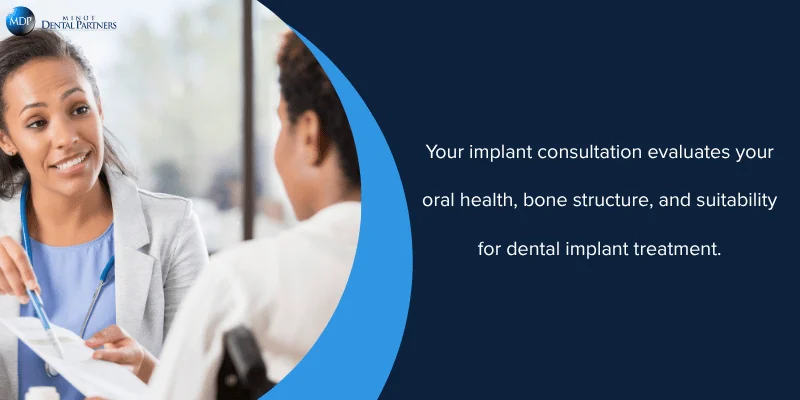
Your dental implant consultation sets the foundation for everything that follows. During this initial visit, your implant dentist examines your mouth using digital X-rays or 3D imaging to evaluate your jawbone density and gum health.
This assessment determines whether you’re a good candidate for dental implants or if you need preparatory work first.
Your dentist should discuss the complete timeline, costs, and any potential challenges specific to your situation.
A thorough implant consultation includes checking for conditions like gum disease or insufficient bone density that could affect success rates.
Your dentist will create a personalized treatment plan that addresses your unique needs and goals for tooth replacement.
Bone Grafting and Osseointegration
If your jawbone lacks sufficient density, you’ll need bone grafting before implant placement. This procedure adds synthetic material, donor bone, or bone from your own body to strengthen the jaw and create a stable foundation.
The titanium post is surgically placed into your jawbone under local anesthesia. Over the next 3 to 6 months, your jawbone grows around the implant through a process called osseointegration.
This healing phase is crucial for long-term success. The bone must fully fuse with the implant post to provide the stability needed to support your new tooth. Rushing this step or improper placement can lead to implant failure.
Crown Placement and Final Restoration
After osseointegration completes, your dentist attaches an abutment that connects the implant post to your final crown. This minor procedure typically requires a few weeks of healing before the permanent crown is ready.
Your dentist takes impressions of your teeth to create a custom crown that matches your natural teeth in size, shape, and color.
The crown is then securely attached to the abutment with final adjustments made for comfort and proper function.
The quality of your crown and how well it’s fitted affects both appearance and longevity. A poorly crafted restoration can lead to bite problems, discomfort, or premature failure of your dental implant.

Understanding Dental Implant Costs
The price you pay for dental implants depends on several factors, from the type of procedure you need to where you live.
Dental implants typically range from $3,000 to $6,000 per tooth, while full mouth solutions can cost significantly more.
Factors Affecting the Cost of Dental Implants
Several elements influence how much you’ll pay for your dental implants. Your geographic location plays a major role, clinics in New York often charge more than those in Texas or Arizona.
The type of implant you need makes a big difference too. Single, all-on-4, full mouth, or same-day implants each affect the cost differently based on complexity and materials used.
Your dentist’s experience level matters. Highly skilled specialists may charge higher fees, but they often deliver better long-term results.
The materials used in your implants also impact the final price, premium options like zirconia or titanium cost more than standard materials.
Additional services can increase your total bill. Bone grafting, tooth extractions, sedation, and 3D imaging all add to the base implant cost.
Cost Comparison: Single vs. Full Mouth Implants
Single tooth implants cost between $3,000 and $6,000 per tooth. This includes the implant post, abutment, and crown.
Full mouth dental implants require more planning, materials, and time, making them significantly more expensive. You can expect to pay $25,000 to $50,000 for a full arch, or $40,000 to $100,000 for both upper and lower arches.
All-on-4 implants usually cost between $15,000 and $30,000 per arch.
This option uses just four implants to support an entire arch of teeth, making it more affordable than traditional full mouth implants that may require six to eight implants per arch.
Mini dental implants offer a less invasive and typically cheaper alternative for patients with limited bone density or tighter spaces.
Financing, Insurance, and Payment Options
Most dental insurance plans don’t cover implants, though some offer partial reimbursement under major restorative benefits. You’ll need to check your specific plan details.
You can use your Flexible Spending Account (FSA) or Health Savings Account (HSA) to pay for dental implants. These pre-tax dollars help reduce your out-of-pocket costs.
Many clinics offer financing plans that let you spread payments over time. Some options include:
- In-house payment plans with monthly installments
- Third-party medical financing through companies like CareCredit
- Dental membership plans that reduce treatment costs
- Phased treatment options that break procedures into stages
Dental schools sometimes provide lower-cost implants performed by students under expert supervision. Clinics in less urban areas may also offer more competitive pricing than those in major cities.
How to Find the Best Implant Dentist Near You
Finding a qualified implant dentist requires checking their training, reviewing their actual patient results, and asking the right questions during your first visit.
These three steps help you separate skilled providers from those with less experience.
Evaluating Experience and Credentials
Start by checking how many years your implant dentist has been placing implants. A provider who has completed hundreds of cases will have more skill than someone just starting out.
Look for specific training beyond dental school. Many dentists complete advanced courses in implant dentistry or earn certifications from organizations like the American Academy of Implant Dentistry.
Some even have specialty training in oral surgery or periodontics.
Ask about their success rates with implants. Most experienced providers have success rates above 95%. You should also evaluate educational degrees, case experience, and treatment planning clarity when comparing options.
Find out if they handle both the surgical placement and the crown restoration. Some offices send you to different providers for each step, which can create communication problems.
Reviewing Before-and-After Results
Request to see before-and-after photos of actual patients. These photos show you what results to expect from your dental implants near me search.
Pay attention to cases similar to yours. If you need a front tooth replaced, look at their front tooth results. If you need multiple implants, ask to see full-arch cases.
What to look for in photos:
- Natural-looking tooth color and shape
- Healthy gum tissue around implants
- Proper alignment with other teeth
- Realistic spacing between teeth
Read online reviews from real patients. Check multiple sites to get a balanced view of their work.
Booking a Successful Consultation
Schedule a dental implant consultation with at least two or three providers. This lets you compare their approaches and prices.
During your implant consultation, ask these questions:
- What type of implant system do you use?
- How long will treatment take from start to finish?
- What happens if the implant fails?
- Do you offer a warranty?
Watch how the dentist explains your treatment. Finding someone who understands your needs and makes you feel at ease matters as much as their technical skills.
Request a written treatment plan with all costs listed. This should include the implant, abutment, crown, and any bone grafting you might need. Hidden fees are a red flag.
Choosing Between Dental Implants and Other Treatments
When you’re looking at tooth replacement options, you’ll find that dental implants offer different benefits and drawbacks compared to dentures, bridges, and even non-dental cosmetic procedures.
Understanding these differences helps you make the best choice for your specific needs and budget.

Dental Implants Versus Dentures and Bridges
Dental implants versus dentures represents one of the most common decisions you’ll face when replacing missing teeth.
Dental implants are permanent fixtures that attach directly to your jawbone, while dentures are removable appliances that sit on top of your gums.
Implants typically last 25 years or longer with proper care. Dentures need replacement every 5 to 8 years because they wear down and your gums change shape over time.
Bridges use your existing teeth as anchors to hold artificial teeth in place. This option requires grinding down healthy teeth on either side of the gap. Implants don’t affect your other teeth at all.
Cost differences between these options:
- Single dental implant: $3,000 to $6,000
- Traditional bridge: $2,000 to $5,000
- Partial denture: $1,000 to $3,000
- Full denture set: $1,500 to $4,000
You can eat normally with implants since they function like natural teeth. Dentures can slip while eating certain foods, and bridges have some dietary restrictions too.
Emerging Technologies and Trends in Tooth Replacement
3D printing technology now allows dentists to create custom implant crowns in a single day instead of waiting weeks. This reduces your total number of office visits significantly.
Mini dental implants offer a less invasive option for people with bone loss. These smaller implants cost about 30% less than traditional ones and heal faster.
However, they work best for smaller teeth or for stabilizing dentures rather than replacing individual teeth.
Robotic-assisted implant surgery gives dentists more precision when placing implants. The technology maps your jaw in 3D and guides the drill to the exact depth and angle needed. This reduces surgery time and improves success rates.
Same-day implants let you walk out with temporary teeth immediately after implant placement. You’ll still need to wait several months for the permanent crown, but you won’t have gaps in your smile during healing.
Comparing Dental Implants to Cosmetic Procedures Like CoolSculpting
Dental implants and coolsculpting are both cosmetic treatments, but they address completely different concerns. Implants replace missing or damaged teeth to restore your smile and ability to chew
CoolSculpting freezes fat cells to reshape your body contours.
Your insurance may cover part of dental implants if tooth loss affects your ability to eat or speak properly. CoolSculpting is purely cosmetic, so insurance never covers it.
Both procedures require multiple sessions and have recovery periods. CoolSculpting takes 2 to 4 months to show final results as your body eliminates frozen fat cells.
Dental implants need 3 to 6 months for the bone to fuse with the implant before adding the final crown.
The main similarity is that both are investments in your appearance and confidence. You should research providers carefully for either treatment since quality varies significantly based on the practitioner’s experience and equipment.
Frequently Asked Questions
Choosing the right implant provider involves understanding credentials, materials, pricing differences, and safety standards. Knowing what questions to ask and which red flags to watch for helps you make a confident decision.
What makes some implant providers more reliable than others?
Reliable providers use 3D imaging to plan implant placement with precision. They take time during consultations to explain your specific situation instead of rushing through appointments.
Experience with cases like yours matters a lot. A dentist who regularly places implants and handles complications knows how to adjust treatment plans when unexpected issues arise.
Strong providers also have clear follow-up protocols. They schedule check-ins after surgery and offer long-term maintenance plans to protect your investment.
How can I tell if a dental implant specialist is properly qualified and experienced?
Ask about their training in implant dentistry and how many cases similar to yours they complete each year.
General dentists can place implants, but some refer complex cases to oral surgeons or periodontists who specialize in surgical procedures.
Look for providers who show you before-and-after photos of actual patients with cases that match your needs. These examples give you a realistic view of their work quality.
You can also ask if they use continuing education to stay current with implant techniques. Dental implant technology evolves, and good providers keep their skills updated.
Which materials and implant brands are considered high quality, and do they matter?
The implant itself is typically made from titanium or zirconia. Both materials bond well with bone when placed correctly.
The crown or restoration on top varies more in quality. Zirconia and porcelain crowns last longer than acrylic versions. Quality materials and proper bite design often affect long-term success more than brand name alone.
Brand does matter for replacement parts. Well-known implant systems have parts available worldwide if you need adjustments years later. Lesser-known brands might make future repairs harder.
Why do prices for implants differ so much between clinics?
Your oral health affects the total cost. Patients who need bone grafting, extractions, or gum disease treatment before implant placement pay more than those ready for immediate placement.
The materials used also change the price. High-quality crowns cost more than basic versions, but they typically last longer and look more natural.
Location and overhead influence pricing too. Dental implant prices vary based on local costs and whether the office uses advanced technology like CBCT scanners and digital impressions.
Some practices bundle all steps into one price while others charge separately for each phase. Lower advertised prices might not include the abutment, crown, or necessary preparatory work.
What questions should I ask during a consultation to compare clinics fairly?
Start by asking if you’re a good candidate right now or if you need preparatory treatment first. This tells you how honest the provider is about your actual situation.
Request a detailed written estimate that lists every step and cost. Ask what’s included and what could add to the final price.
Find out who performs each part of your treatment. Some offices have one dentist handle everything while others coordinate between a surgeon and a restorative dentist.
Ask about the timeline from start to finish. You want to know how long you’ll wait between surgery and your final tooth, and whether you’ll have a temporary option during healing.
What warning signs suggest an implant practice might be cutting corners on safety or quality?
Be cautious if a provider recommends implants for everyone without explaining why you’re a good fit. Cookie-cutter treatment plans that don’t account for your bone density, bite, or health history indicate rushed care.
Lack of 3D imaging is a red flag. Placing implants without CBCT scans means the provider is guessing about bone thickness and nerve location instead of planning precisely.
Vague pricing or pressure to decide immediately suggests the office prioritizes sales over patient care. You should always have time to review your treatment plan at home.
Watch for unclear answers about credentials, materials, or what happens if complications arise. Transparent providers explain these details willingly because they have nothing to hide.