


Getting dental implants can transform your smile, but there’s an important step you need to take first. Your gums need to be in good shape before any implant work begins.
Think of your gums as the foundation for your dental implants. Just like you wouldn’t build a house on shaky ground, dentists won’t place implants in unhealthy gums.
Ignoring gum health before implant surgery can lead to inflammation or infection, compromising implant stability and potentially resulting in implant failure.
The good news is that even if you have gum disease now, you can still get dental implants later. You’ll just need to work with your dental team to treat the infection first.
This article will walk you through the gum health requirements for implants, what healthy gums should look like before treatment, how to prepare your mouth properly, and what you need to do to maintain strong, healthy gums for long-term implant success.
Key Takeaways
- Active gum disease must be treated and controlled before implant placement to ensure success
- Healthy gums and adequate bone structure provide the stable foundation that dental implants need to last
- Daily flossing, brushing, and regular professional cleanings are essential for maintaining gum health before and after getting implants
Why Gum Health Is Critical Before Implant Treatment
Your gums create the foundation that dental implants need to succeed. Active gum disease threatens implant stability, disrupts bone healing, and increases your risk of serious complications that can lead to implant failure.
The Role of Healthy Gums in Implant Stability
Healthy gums form a protective seal around your dental implants, just like they do around natural teeth. This seal keeps harmful bacteria from reaching the implant post and the surrounding bone.
When your gums are disease-free, they support the tissues that hold your implant in place. They also help maintain proper blood flow to the area, which is essential for healing after surgery.
Without strong, healthy gum tissue, bacteria can easily invade the space around your implant. This creates inflammation and infection that weakens the entire structure. Your gums need to be pink, firm, and free from bleeding or swelling before implant placement.
The tissue around implants is actually more vulnerable than tissue around natural teeth. Natural teeth have periodontal ligaments that provide extra protection, but implants don’t have this defense system. This makes treating gum disease before implant placement a standard of care among dental professionals.
Risks of Proceeding with Active Gum Disease
Placing implants when you have active gum disease significantly increases your chances of complications. The bacteria causing your gum infection don’t disappear after tooth extraction, they remain in your mouth and attack your new implant.
Key risks include:
- Peri-implantitis: A destructive infection similar to gum disease that affects implants
- Implant failure: The implant may never properly integrate with your bone
- Bone loss: Infection accelerates the breakdown of bone supporting the implant
- Poor healing: Your body struggles to recover when fighting infection
Studies show that patients with untreated periodontitis experience higher rates of implant complications. The inflammation from gum disease interferes with your body’s natural healing processes.
You might also face aesthetic problems like gum recession that exposes implant components. This makes your restoration look unnatural and can be difficult to fix later.
How Gum Disease Impacts Osseointegration
Osseointegration is the process where your implant post fuses with your jawbone. This fusion is what makes dental implants so stable and long-lasting.
Gum disease creates an inflammatory environment that disrupts osseointegration. The same bacteria and inflammation attacking your gums also interfere with bone cells trying to attach to the implant surface.
Your body needs to focus its healing resources on fusing the implant with bone. When gum disease is present, your immune system diverts energy to fighting infection instead. This slows down or completely prevents proper integration.
Inflamed gums also reduce blood supply to the surgical site. Less blood flow means fewer nutrients and oxygen reach the area where bone needs to grow around the implant.
Without successful osseointegration, your implant won’t have the strength to handle biting and chewing forces. This leads to loosening, discomfort, and eventual failure that requires removal of the implant.
Concerned about your gum health before dental implants? Talk with our team to evaluate your gums and prepare you for successful treatment.
Assessing Your Periodontal Health Before Implants
Your dentist needs to know the exact condition of your gums and jawbone before placing implants. A thorough evaluation looks for signs of disease, measures gum attachment, and uses imaging to see what’s happening beneath the surface.
Signs You May Need Periodontal Treatment
Your gums might show warning signs that treatment is needed before implants can be placed. Bleeding gums when you brush or floss often signal inflammation or early gum disease. You might notice your gums look red and swollen instead of firm and pink.
Receding gums expose more of your tooth surface and can indicate bone loss underneath. Bad breath that doesn’t go away even after brushing can mean bacteria are building up in periodontal pockets. Some people feel tenderness or pain around their teeth and gums.
If your teeth feel loose or have shifted position, this suggests the supporting structures are weakening. You might see pus between your teeth and gums during more advanced disease. Any of these signs mean you should visit your dentist before moving forward with implant plans.
Comprehensive Periodontal Evaluation
A comprehensive periodontal evaluation measures the health of your gums and supporting bone. Your dentist or periodontist uses a small measuring tool to check the depth of periodontal pockets around each tooth. Healthy gums have pockets of 1-3 millimeters, while deeper pockets indicate disease.
The evaluation checks for bleeding when the gums are gently probed. Your dentist looks at how much gum tissue has receded and whether any teeth are loose. They examine the overall condition of your mouth, including plaque buildup and tartar deposits.
This assessment creates a detailed map of your gum health. It shows exactly which areas need treatment before implant surgery can safely proceed.
Using Dental X-Rays and Other Diagnostic Tools
A dental x-ray reveals what’s happening in your jawbone that can’t be seen during a visual exam. These images show bone density, bone loss from gum disease, and whether you have enough bone to support an implant. Your dentist can spot hidden infections or other problems that would interfere with implant success.
Cone beam computed tomography (CBCT) scans provide 3D images of your jawbone and surrounding structures. This advanced imaging helps plan the exact placement of your implant. Some offices use special probes that measure inflammation levels in your gums.
These diagnostic tools give your periodontist detailed information about whether your mouth is ready for implants or needs treatment first.
Pre-Treatment: Managing Gum Disease for Implant Success
Before you can move forward with dental implants, your dentist needs to address any existing gum disease. Treatment approaches range from simple cleanings for mild cases to surgical procedures for advanced periodontal disease.
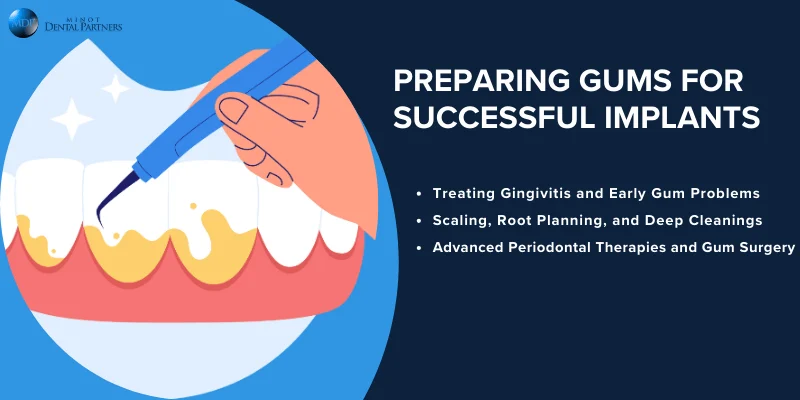
Treating Gingivitis and Early Gum Problems
If you have gingivitis, the earliest stage of gum disease, you’re in luck because it’s reversible with proper care. Your dentist will remove plaque and tartar buildup during a professional cleaning.
At this stage, your gums may bleed when you brush or floss. You might also notice some redness or mild swelling. These signs mean bacteria are irritating your gum tissue, but the damage hasn’t reached the bone yet.
After your cleaning, you’ll need to improve your home care routine. This means brushing twice daily and flossing every day. Your dentist may also recommend an antibacterial mouthwash to help control bacteria levels.
Regular checkups every six months help prevent gingivitis from coming back. Early treatment of gum disease keeps your mouth ready for implant placement when the time comes.
Scaling, Root Planing, and Deep Cleanings
When periodontal disease progresses beyond gingivitis, you’ll need scaling and root planing. This deep cleaning goes beneath your gum line to remove bacteria and tartar that regular cleanings can’t reach.
During scaling, your dentist removes plaque and tartar from below the gum line. Root planing smooths the tooth roots so your gums can reattach properly. You might receive local anesthesia to keep you comfortable during the procedure.
Professional periodontal therapy, including scaling and root planing, provides a vital foundation for dental implant success. Most patients need two to four visits to complete treatment for their entire mouth.
After your deep cleaning, your gums will heal over several weeks. You’ll return for follow-up visits so your dentist can check your progress. Your gums should be healthier and less inflamed before moving forward with implants.
Healthy gums are essential for implant success. Contact our clinic today to receive a full periodontal evaluation and personalized plan before starting implant treatment.
Advanced Periodontal Therapies and Gum Surgery
Severe periodontal disease requires more intensive treatment before you can get implants. Your periodontist might recommend laser therapy to remove diseased tissue and bacteria from deep pockets around your teeth.
Gum surgery becomes necessary when deep pockets remain after other treatments. Flap surgery allows your periodontist to fold back your gum tissue, remove infection, and clean the tooth roots thoroughly. They may also place bone grafts to rebuild areas where bone loss has occurred.
Some patients benefit from guided tissue regeneration. This procedure uses special membranes to encourage your body to regrow bone and gum tissue naturally.
Recovery from gum surgery typically takes several weeks to a few months. A periodontist evaluates gum health to make sure there is no active infection that could compromise your implant. Once your gums heal completely and remain stable, you’ll be ready to begin the implant process.
Bone Health Considerations Prior to Implant Placement
Your jawbone must have enough density and volume to support a dental implant successfully. Bone loss from missing teeth or gum disease can prevent proper implant placement and requires treatment before surgery can proceed.
Assessing Jawbone Density and Volume
Your dentist needs to evaluate your jawbone thoroughly before recommending dental implants. A preoperative evaluation includes specialized imaging to determine if your bone structure can support an implant.
A CBCT scan provides a 3D view of your jawbone. This imaging shows exactly how much bone you have and where it’s located. Your dentist measures the height, width, and density of the bone at each potential implant site.
Minimum bone requirements typically include:
- At least 10-12mm of bone height
- Sufficient width to accommodate the implant diameter
- Adequate bone density for stable implant integration
If your bone measurements fall short of these requirements, you’ll need additional procedures before implant placement. The scan also reveals important anatomical structures that must be avoided during surgery.
Addressing Bone Loss with Bone Grafting
Bone grafting becomes necessary when you don’t have enough jawbone mass to insert an implant successfully. This procedure adds bone material to areas where your natural bone has deteriorated.
During bone grafting, your dentist places bone material directly into your jawbone. The graft material can come from your own body, a donor source, or synthetic materials. Your body gradually replaces this graft material with new natural bone.
The healing process takes several months after bone grafting. You’ll need to wait 12-16 weeks or longer before your dentist can place the implant. This waiting period allows the grafted bone to integrate fully with your existing jawbone.
Bone grafting adds time to your dental implant treatment, but it creates a stable foundation for long-term implant success.
Impact of Periodontal Disease on Jawbone Structure
Periodontal disease directly damages the bone that supports your teeth. The infection causes inflammation that breaks down jawbone tissue over time. This bone loss creates serious problems for dental implant placement.
Active gum disease must be treated before you can receive implants. The bacteria and inflammation from periodontal disease can prevent proper healing after implant surgery. Your dentist will need to eliminate the infection and restore your gum health first.
Even after treatment, previous periodontal disease often leaves you with reduced bone density. You may need bone grafting to rebuild the jawbone structure that was lost to infection. Your dentist will assess how much damage occurred and create a treatment plan to restore adequate bone support.
Take the first step toward long-lasting dental implants by visiting our clinic for a professional gum health assessment and customized treatment preparation plan today.
Optimizing Oral Hygiene and Lifestyle for Implant Readiness
Getting your mouth and body ready for dental implants means focusing on daily cleaning habits, eliminating harmful behaviors like tobacco use, and supporting your overall health through proper nutrition and wellness practices.
Establishing Excellent Oral Hygiene Habits

Your daily oral hygiene routine plays a direct role in whether your gums are healthy enough for implant surgery. Brushing and flossing removes biofilm that can cause peri-implant mucositis, which threatens implant success.
You should brush twice daily with a soft-bristled toothbrush and fluoride toothpaste. Pay special attention to the gumline where plaque builds up most. Floss at least once per day to clean between teeth where brushes can’t reach.
Your oral surgeon will likely recommend professional cleanings before any implant work begins. These maintenance visits remove hardened tartar that home care misses and give your dental team a chance to check gum pocket depths. If you have any signs of gum disease, you’ll need treatment first.
Consider adding antimicrobial mouth rinse to your routine if recommended. Your dentist might also suggest special interdental brushes or water flossers to improve cleaning effectiveness between teeth and around existing dental work.
The Impact of Smoking and Other Risk Factors
Smoking creates serious obstacles to implant healing and long-term success. Tobacco causes blood vessels to narrow, which reduces oxygen flow to your gums and bone. This makes it harder for your body to integrate the implant and fight off infection.
Research shows that smokers face higher rates of early implant failure and peri-implantitis compared to non-smokers. Most dental professionals ask you to stop smoking several weeks before surgery and stay tobacco-free during healing.
Quitting improves your blood circulation almost immediately. Your immune system becomes stronger within weeks. These changes give your body the best chance to heal properly around the new implant.
Other lifestyle factors matter too. Heavy alcohol use can slow healing. Grinding your teeth at night puts extra stress on implants. Your dentist can provide a nightguard to protect against this mechanical damage while you sleep.
Nutritional and General Health Considerations
What you eat affects how well your body can heal after implant placement. Your bones and gums need specific nutrients to repair tissue and fight infection effectively.
Protein helps build new tissue around the implant site. Vitamin C supports collagen formation and immune function. Calcium and vitamin D keep your jawbone strong enough to hold the implant securely. Make sure you’re eating a balanced diet with plenty of lean meats, dairy products, fruits, and vegetables.
If you take medications that affect bone health or healing, discuss them with your dental team. Certain prescriptions may need adjustment before surgery. Your general health status matters because conditions like uncontrolled diabetes slow wound healing and raise infection risk.
Staying hydrated helps your mouth produce enough saliva to wash away bacteria naturally. Avoid excessive sugar intake, which feeds harmful oral bacteria. Your body works best when you give it the right fuel and conditions to heal properly.
Long-Term Maintenance and Follow-Up After Gum Treatment
Successful gum treatment before implants requires ongoing care to protect your investment and prevent complications like peri-implantitis. Your dentist will establish a schedule of regular visits and create a personalized approach to keep your gums and implants healthy for years to come.
Periodontal Maintenance Visits
Periodontal maintenance differs from regular dental cleanings because it targets areas where gum disease has previously occurred. After gum treatment, you’ll need these specialized appointments every 3-4 months rather than the standard twice-yearly schedule.
During these visits, your implant dentist or hygienist will clean below the gum line to remove bacteria and tartar that regular brushing can’t reach. They’ll measure pocket depths around your teeth and implants to check for any signs of inflammation or bone loss.
Regular follow-up care is crucial after treatment because bacteria can quickly return to treated areas. These maintenance visits help catch problems early, before they threaten your implants. Your dental team will also check the stability of your implant, inspect the abutment connection, and ensure the surrounding tissue remains healthy.
Monitoring for Peri-Implant Disease
Peri-implantitis is an infection around dental implants that can lead to bone loss and implant failure if left untreated. This condition is similar to gum disease but affects the tissue and bone supporting your implant.
Your dentist will watch for warning signs like bleeding when probing, increased pocket depths around the implant, or pus discharge. X-rays taken during your maintenance visits help detect bone loss that isn’t visible during a visual exam.
Early detection makes a significant difference in treatment outcomes. If you notice symptoms between visits, such as redness, swelling, or discomfort around your implant, contact your dentist right away. Proper care and monitoring help protect the long-term health of your gums and implants, reducing the risk of complications that could require additional procedures.
Personalized Treatment Plans and Regular Check-Ups
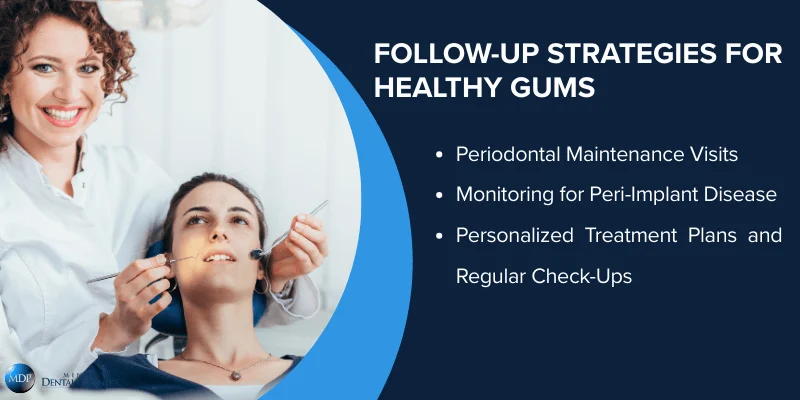
Your treatment plan for maintenance will be customized based on your gum disease history, implant type, and overall oral health. Some patients need more frequent visits, while others can extend the time between appointments once their condition stabilizes.
Your dentist will adjust your schedule based on how well your gums respond to treatment. Factors like smoking, diabetes, or a history of aggressive gum disease may require closer monitoring.
Between professional cleanings, you’ll follow specific home care instructions tailored to your needs. This might include special brushes to clean around the abutment, antimicrobial rinses, or water flossers.
Following post-treatment guidelines and adopting a proactive approach are key steps toward keeping your implants stable and your gums healthy for the long term.
Speak with our dental experts to review your gum condition, prevent complications, and improve your chances of implant success.
Frequently Asked Questions
Healthy gums need pink tissue that doesn’t bleed, minimal plaque buildup, and strong bone support in your jaw. Treatment options range from deep cleanings to bone grafts depending on your specific gum condition.
What are the signs of healthy gums I should have before getting dental implants?
Your gums should be pink and firm to the touch. They shouldn’t bleed when you brush or floss your teeth.
Healthy gums fit snugly around your teeth without any pockets or gaps. You shouldn’t see any swelling or redness along your gum line.
Your gums should not pull away from your teeth. There should be no pus or discharge between your teeth and gums.
What kind of gum condition is necessary for a successful implant procedure?
You need gums that are free from active infection or inflammation. Your jawbone must have enough density and height to support the implant.
The tissue around where the implant will go needs to be stable and healthy. Any periodontal disease must be treated and under control before starting implant treatment.
Your gums should have adequate thickness to cover and protect the implant. Thin gum tissue may require grafting to provide proper coverage.
Can you tell me if there’s a way to prepare my gums for dental implants?
You can improve your gum health by brushing twice daily and flossing every day. Regular dental cleanings help remove plaque and tartar that you can’t reach at home.
Your dentist may recommend using an antibacterial mouthwash to reduce bacteria. Quitting smoking is one of the most important steps you can take to prepare your gums.
Eating a balanced diet with plenty of vitamins C and D supports gum tissue health. Staying hydrated helps your mouth produce saliva that naturally fights bacteria.
Are there specific treatments to improve my gum health prior to an implant?
Scaling and root planing is a deep cleaning that removes plaque and tartar below your gum line. This procedure smooths the tooth roots to help your gums reattach.
Your dentist might prescribe antibiotics to fight bacterial infection in your gums. Laser therapy can remove diseased tissue while promoting new healthy tissue growth.
Bone grafting rebuilds areas where gum disease has caused bone loss. Gum grafting adds tissue to areas where your gums have receded too much.
What happens if I have gum disease – can I still get dental implants?
Dental implants are possible for patients with gum disease, but you must treat the infection first. Your dentist needs to get your gum disease under control before placing any implants.
Active gum disease increases your risk of implant failure and infection. The bacteria from gum disease can attack the bone and tissue around a new implant.
You’ll need to complete your gum disease treatment and demonstrate stable healing. Your dentist will monitor your gum health closely before approving you for implant surgery.
How long should I wait after treating gum disease before considering implants?
The waiting time depends on how severe your gum disease was and what treatment you received. Mild cases treated with deep cleaning may only require a few weeks of healing.
Bone grafting procedures can take several months to fully heal and integrate. Your dentist won’t proceed with implant surgery until your gums and bone are completely healthy.
Most patients wait between three and six months after gum disease treatment. Your dentist will schedule follow-up appointments to check your healing progress before moving forward with implants.