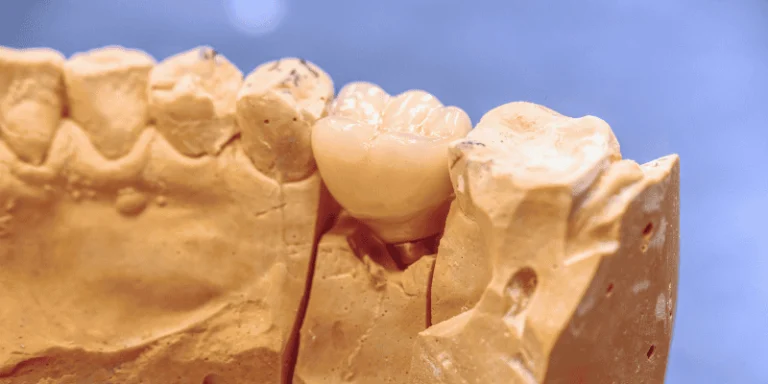



When one or more teeth are missing, it can lead to bone loss at the site of the gap. This loss of jaw bone can develop into additional problems, both with your appearance and your overall health. You may experience pain, problems with your remaining teeth, altered facial appearance, and eventually even the inability to speak and eat normally.
Understanding How Teeth Preserve Your Jawbone
In the same way that muscles are maintained through exercise, bone tissue is maintained by use. Natural teeth are embedded in the jaw bone and stimulate the jaw bone through activities such as chewing and biting. When teeth are missing, the alveolar bone, or the portion of the jaw bone that anchors the teeth into the mouth, no longer receives the necessary stimulation it needs and begins to break down, or resorb. The body no longer uses or “needs” the jaw bone, so it deteriorates.
This biological process happens because your body is remarkably efficient. Resources are directed where they’re needed most. Without the constant pressure and stimulation from tooth roots during everyday activities like eating and speaking, your body interprets the jawbone in that area as unnecessary. The bone begins to dissolve and redistribute minerals to other parts of your body where they’re actively needed.
The Cascade Effect of Bone Loss
The consequences of tooth and jaw bone loss extend far beyond the gap where a tooth once stood. This creates a domino effect that impacts your entire oral system and facial structure. Understanding these potential consequences helps emphasize why prompt tooth replacement is so important for your long-term health.
Impact on Remaining Teeth
Problems with remaining teeth become increasingly common as bone loss progresses. Your teeth work as a complete system, with each tooth supporting its neighbors. When one is missing, the remaining teeth experience:
- Misalignment: Adjacent teeth begin tilting toward the gap
- Drifting: Teeth gradually shift from their optimal positions
- Loosening: Increased stress on remaining teeth weakens their support
- Loss: The extra burden can eventually lead to additional tooth loss
This creates a accelerating cycle where each lost tooth increases the risk of losing more teeth, making early intervention essential.
Facial Structure Changes
Your teeth and jawbone provide the scaffolding that supports your facial features. Without this support structure, you may experience:
- Collapsed facial profile: The lower third of your face appears shorter
- Limited lip support: Lips lose their natural fullness and shape
- Skin wrinkling around the mouth: Premature aging becomes visible
- Distortion of other facial features: The entire face can appear sunken
These changes often make people appear older than their actual age, affecting self-confidence and social interactions.
Functional Complications
Beyond aesthetics, bone loss creates significant functional problems that affect daily life:
Jaw (TMJ) pain, facial pain, and headaches: The altered bite forces stress the temporomandibular joint, leading to chronic discomfort. Your jaw muscles must work harder to compensate for missing teeth, causing tension and pain that can radiate throughout your face and head.
Difficulty speaking and communicating: Teeth play a crucial role in forming sounds. Missing teeth, especially front teeth, can cause lisping or difficulty pronouncing certain words clearly. This can impact professional and personal relationships.
Inadequate nutrition: The inability to chew properly and painlessly limits food choices. Many people with missing teeth avoid nutritious foods like raw vegetables, fruits, and lean proteins because they’re too difficult to eat. This dietary restriction can lead to nutritional deficiencies and overall health decline.
Sinus expansion: In the upper jaw, bone loss can allow the maxillary sinuses to expand downward into the space previously occupied by tooth roots. This leaves insufficient bone for future dental implants without additional procedures.
The Timeline of Bone Loss
Understanding how quickly bone loss occurs emphasizes the importance of timely action:
- First 3 months: The most rapid bone loss occurs immediately after tooth extraction
- First year: Up to 25% of bone width can be lost
- First 3 years: Significant vertical height reduction becomes apparent
- Ongoing: Bone loss continues throughout life, though at a slower rate
This timeline shows why dentists recommend discussing replacement options before or immediately after tooth extraction.
Prevention Through Preservation
The most effective way to prevent jawbone deterioration is maintaining your natural teeth through:
- Regular dental check-ups for early problem detection
- Professional cleanings to prevent gum disease
- Prompt treatment of dental issues before extraction becomes necessary
- Good oral hygiene habits at home
When tooth loss is unavoidable, immediate replacement planning helps preserve bone structure.
Modern Solutions for Bone Preservation
Dental implants offer the most effective solution for preventing bone loss after tooth extraction. Unlike bridges or dentures that sit on top of the gums, implants integrate with your jawbone, providing the stimulation needed to maintain bone density. The titanium post acts like a natural tooth root, transmitting chewing forces to the surrounding bone.
For patients who have already experienced bone loss, modern dentistry offers solutions:
- Bone grafting: Rebuilds lost bone structure
- Ridge preservation: Prevents bone loss at extraction sites
- Sinus lifts: Creates space for implants in the upper jaw
The Importance of Early Intervention
The relationship between teeth and jaw bone health underscores why missing teeth should never be ignored. What might seem like a simple gap can trigger a cascade of complications affecting your appearance, health, and quality of life. Early intervention not only prevents these problems but is also typically less complex and costly than treating advanced bone loss.
Your oral health is integral to your overall wellbeing. If you’re missing teeth or facing tooth extraction, don’t wait to explore your replacement options. The sooner you address tooth loss, the more bone structure can be preserved, ensuring better outcomes and more treatment options.
Taking Action for Your Oral Health
Understanding the critical connection between teeth and jawbone health empowers you to make informed decisions about your oral care. Whether you’re trying to save natural teeth or considering replacement options after tooth loss, prompt action protects both your immediate comfort and long-term health.
For residents in Minot, ND, comprehensive evaluation and treatment planning can help preserve your jawbone health and prevent the cascade of problems associated with tooth loss. Don’t let missing teeth compromise your health and appearance. Contact Minot Dental Partners to discuss how to maintain your jawbone health and explore your tooth replacement options.