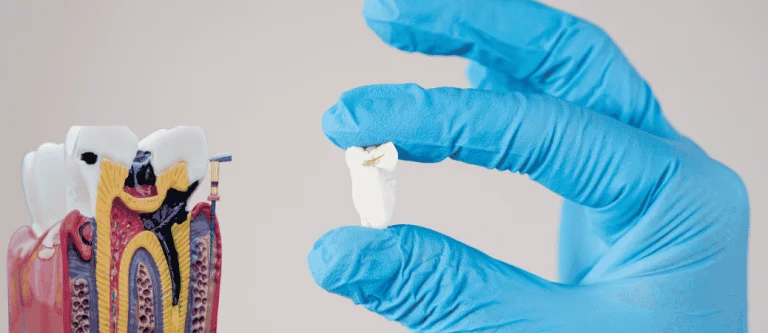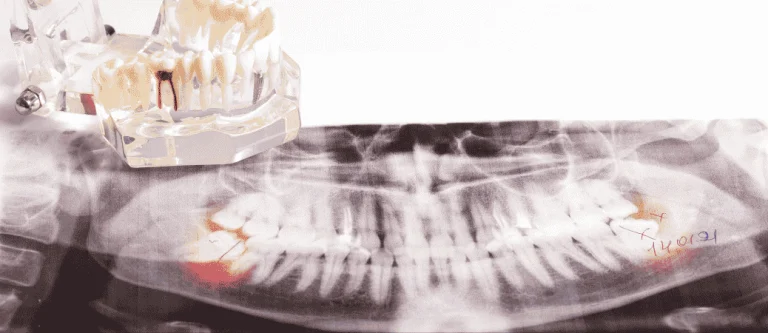
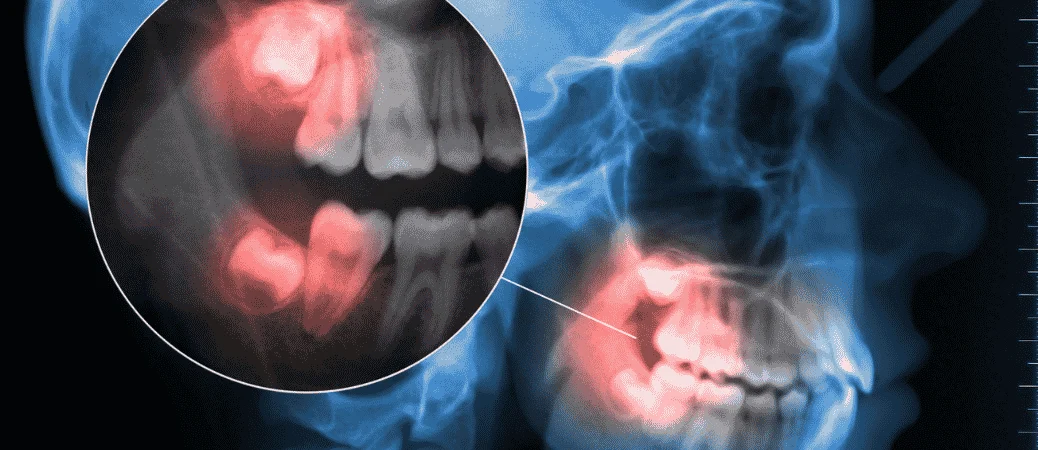
If your dentist flagged your wisdom teeth for removal and you’re thinking, “but nothing hurts,” you’re not alone in wondering if that’s a good enough reason.
Pain is just one signal your dentist looks at, and sometimes it’s the last one to show up.
Wisdom teeth that don’t hurt can still have decay, gum infection, or bone changes that only show up on an exam or X-ray, which is why a dentist might still recommend wisdom teeth removal even without symptoms.
That said, a healthy wisdom tooth that’s fully grown in, positioned well, and easy to clean doesn’t automatically need to come out. The decision comes down to specific findings, not how your mouth feels today.
This gap between “no pain” and “no problem” catches a lot of patients off guard.
Understanding the wisdom teeth removal reasons dentists consider can help you ask better questions at your next visit, whether that leads to scheduling a removal or simply keeping an eye on things.
Key Takeaways
- A wisdom tooth without pain can still have decay, infection, or bone damage that only appears on an exam or X-ray.
- Healthy, fully erupted wisdom teeth that you can clean well often don’t need removal and can be monitored instead.
- Nerve position near the tooth roots is a planning detail for surgery, not a reason by itself to pull a healthy tooth.
Why Might a Dentist Recommend Removal Without Pain?
A dentist may recommend wisdom teeth removal based on signs of disease or risk to nearby teeth, even when you feel nothing unusual.
Oral health problems often develop quietly in the back of the mouth, where wisdom teeth sit, long before pain ever shows up.
Why Is Pain an Unreliable Sign of Trouble?
Pain tends to show up late in dental problems, not early. Decay can work its way through a tooth for months before a nerve gets irritated enough to hurt.
Gum disease can simmer around a wisdom tooth root without announcing itself until it’s fairly advanced.
That’s part of why the American Dental Association includes several non-pain reasons for removal, including cysts, gum disease, and widespread tooth decay. None of those require you to feel a thing first.
Which Problems Could Affect Nearby Teeth or Gums?
A wisdom tooth growing at an angle can quietly press against or wear down the healthy tooth in front of it. Over time, this can cause damage to neighboring teeth that’s hard to reverse once it’s gone far enough.
Partly erupted wisdom teeth create a flap of gum tissue that’s tough to clean, which lets bacteria settle in and sometimes leads to infection or bone loss around the area. None of this depends on whether the tooth itself ever aches.
What Findings on an Exam or X-Ray Matter Most?
A wisdom teeth evaluation relies on more than how you feel. During dental exams and check-ups, your dentist can examine your gums and use X-rays when appropriate to identify problems that may not cause noticeable symptoms.

Decay or a Gum Pocket Behind the Second Molar
A cavity or deep gum pocket just behind your second molar is one of the most common quiet problems.
Wisdom teeth sit at an angle that makes this spot hard to reach with a toothbrush or floss, so decay or gum disease can build up gradually in that corner.
Infection Around a Partly Erupted Tooth
Partially erupted wisdom teeth leave a flap of gum tissue over part of the crown, creating a pocket where food and bacteria collect.
This can lead to a low-grade, recurring infection that flares occasionally and settles down, which makes it easy to miss if you’re only paying attention to pain.
Cysts or Changes in the Surrounding Bone
Impacted wisdom teeth, ones trapped fully or partly under the gum, can occasionally develop a fluid-filled cyst nearby.
Left alone, a cyst can damage the roots of neighboring teeth or thin out the supporting bone, and this process typically shows up on X-ray well before it ever causes pain.
Roots Near a Nerve: A Planning Concern, Not a Reason Alone to Remove a Tooth
When X-rays show a wisdom tooth’s roots sitting close to the nerve that runs through the lower jaw, that’s a detail your dentist or oral surgeon factors into how surgery would be done, not a reason by itself to extract a healthy tooth.
The position of the roots relative to the nerve can influence surgical planning and whether additional imaging or specialist evaluation is needed.
Your dentist may also consider whether the tooth is impacted or fully erupted before recommending treatment.
When Is Keeping and Monitoring Wisdom Teeth Reasonable?
Keeping wisdom teeth in place is reasonable when they’re healthy, fully grown in, positioned correctly, and easy to clean.
Mayo Clinic lists these as the main criteria for leaving wisdom teeth alone, and plenty of people go their whole lives without needing those teeth removed.
Which Healthy Teeth Can Stay in Place?
A wisdom tooth that has come in fully, bites properly against the tooth above or below it, and can be reached with a toothbrush and floss is generally a reasonable one to keep.
Dental specialists disagree on how to handle wisdom teeth without symptoms, and some favor a conservative approach of watching rather than removing, noting there isn’t strong evidence that symptom-free teeth will cause future problems.
What Does Ongoing Monitoring Involve?
Monitoring means regular check-ups and periodic X-rays, not just waiting for pain to show up. Your dentist or an oral surgeon tracks the tooth’s position, checks for early decay or gum changes, and watches for shifts in the surrounding bone over time.
This isn’t a passive “wait and see” approach. It’s an active plan with a defined schedule, and it gives you and your dentist a chance to catch a developing issue long before it turns into an emergency.
How Can You Weigh Removal Against Monitoring?
Weighing removal against monitoring comes down to asking specific questions about what your exam actually found. Understanding the tooth extraction process can also help you discuss what removal would involve and what to expect during recovery.
A clear conversation with your dentist turns a vague recommendation into a decision you understand and feel comfortable with.
What Should You Ask About the Findings and Surgical Risks?
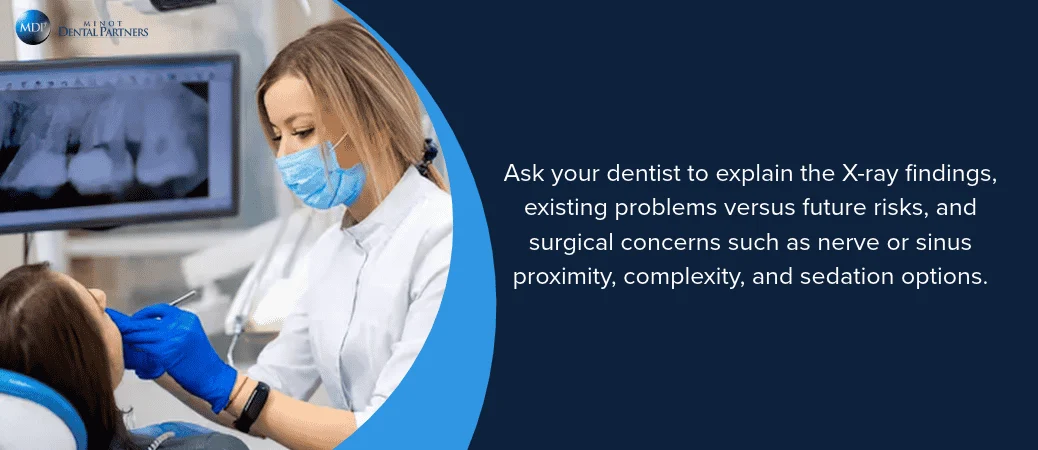
Ask your dentist to show you exactly what the X-ray revealed, whether that’s early decay, a shadow near the roots, or simply a tooth sitting at an angle with no current problems.
It helps to know if the recommendation is based on something already present or a concern about what might develop later.
It’s also fair to ask about surgical risks specific to your mouth, such as how close the roots sit to a nerve or sinus.
Straightforward extractions may be managed differently from complex cases requiring an oral surgeon. Age can also influence surgical planning because tooth roots and surrounding bone change over time.
Learn more about the considerations involved in wisdom teeth removal after 30.
If you’re nervous about the procedure, ask whether sedation dentistry may be appropriate for your needs. Your dentist can explain the available options and help you understand how comfort is managed during treatment.
Do Braces or Future Crowding Change the Decision?
Wisdom teeth may be considered during orthodontic treatment planning, especially when their position affects nearby teeth.
However, research has not established that wisdom teeth alone cause crowding of the front teeth or routinely reverse orthodontic results.
That said, wisdom teeth don’t automatically undo results from braces, and your orthodontist and dentist can look at your specific case together to decide if timing around orthodontic work changes anything about the removal decision.
If you’re currently wearing or considering clear braces, it’s worth bringing your wisdom tooth findings into that conversation directly, since both providers benefit from seeing the full picture.
Let the Findings, Not the Lack of Pain, Guide the Choice
A wisdom tooth without pain can still carry decay, infection, or early bone changes, while plenty of others stay perfectly healthy for decades without ever needing to come out.
The real question isn’t whether your tooth hurts. It’s what your dentist actually found on your exam and X-ray.
At Minot Dental Partners, Dr. Kyle Perkins can help you understand what your examination and X-rays reveal about your wisdom teeth.
Ask whether removal is recommended because of an existing problem, a developing risk, or findings that can be monitored safely.
If you’d rather keep watching a tooth for now, that’s a legitimate choice too, as long as it comes with a real follow-up plan rather than just waiting until something starts to hurt.
Frequently Asked Questions
Should I remove my wisdom teeth if they don’t hurt?
Not automatically. Removal makes sense when your exam or X-ray shows decay, gum disease, a cyst, or damage to a nearby tooth, but a healthy, fully erupted, cleanable wisdom tooth can often stay in place with regular monitoring.
Can an X-ray show a wisdom tooth problem before I feel pain?
Yes. X-rays can reveal cavities, bone loss, cysts, and the position of roots near a nerve long before any of these cause noticeable pain, which is why imaging plays such a big role in this decision.
How often should painless wisdom teeth be checked?
Your dentist sets the schedule based on what your last exam showed, often as part of routine check-ups rather than a separate visit. Ask directly what interval they recommend for your situation and what would prompt an X-ray sooner.
Why do some dentists recommend removal while others recommend monitoring?
Dental professionals don’t always agree on how to handle symptom-free wisdom teeth, and some favor earlier removal while others prefer watching healthy teeth over time.
The disagreement often comes down to how each provider weighs the risks of surgery against the chance of future problems, so asking your dentist to explain their specific reasoning is worthwhile.
What are the disadvantages of removing wisdom teeth that aren’t causing symptoms?
Surgery always carries some risk, including swelling, temporary difficulty opening your mouth, and less commonly, nerve irritation or dry socket.
Removing a tooth that was healthy and causing no problems means accepting those surgical risks for a benefit that’s about preventing future issues rather than treating a current one.