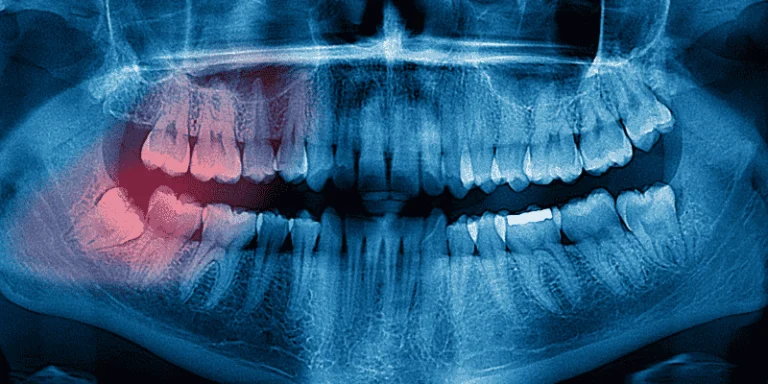



Jaw bone deterioration affects millions of people and can result from various causes beyond simple tooth loss. Understanding these causes helps you recognize risk factors and seek timely treatment. Modern bone grafting procedures offer hope for reversing bone loss and restoring oral health, regardless of the underlying cause.
Tooth Extractions: The Most Common Cause
When an adult tooth is removed and not replaced, jaw bone deterioration may occur. Natural teeth are embedded in the jaw bone and stimulate the jaw bone through activities such as chewing and biting. When teeth are missing, the alveolar bone, or the portion of the jaw bone that anchors the teeth in the mouth, no longer receives the necessary stimulation and begins to break down, or resorb. The body no longer uses or “needs” the jaw bone, so it deteriorates and goes away.
The rate the bone deteriorates, as well as the amount of bone loss that occurs, varies greatly among individuals. However, most loss occurs within the first eighteen months following the extraction and continues throughout life. This rapid initial loss emphasizes why prompt tooth replacement planning is essential after any extraction.
Periodontal Disease: The Silent Threat
Periodontal diseases are ongoing infections of the gums that gradually destroy the support of your natural teeth. Periodontal disease affects one or more of the periodontal tissues: alveolar bone, periodontal ligament, cementum, or gingiva. While there are many diseases affecting the tooth-supporting structures, plaque-induced inflammatory lesions make up the majority of periodontal issues, divided into two categories: gingivitis and periodontitis.
Understanding the Disease Process
Dental plaque is the primary cause of gingivitis in genetically-susceptible individuals. Plaque is a sticky colorless film, composed primarily of food particles and various types of bacteria, which adheres to your teeth at and below the gum line. Plaque constantly forms on your teeth, even minutes after cleaning.
Bacteria found in plaque produce toxins that irritate the gums. Gums may become inflamed, red, swollen, and bleed easily. If this irritation is prolonged, the gums separate from the teeth, causing pockets to form. If daily brushing and flossing are neglected, plaque can also harden into a rough, porous substance known as calculus (or tartar). This can occur both above and below the gum line.
From Gingivitis to Periodontitis
While gingivitis, the less serious of the diseases, may never progress into periodontitis, it always precedes periodontitis. Periodontitis is affected by bacteria that adhere to the tooth’s surface, along with an overly aggressive immune response to these bacteria. If gingivitis progresses into periodontitis, the supporting gum tissue and bone that holds teeth in place deteriorates. The progressive loss of this bone, the alveolar, can lead to loosening and subsequent loss of teeth.
Dentures and Bridgework: Hidden Bone Loss
Unanchored dentures are placed on top of the gum line but don’t provide any direct stimulation to the underlying alveolar bone. Over time, the lack of stimulation causes the bone to resorb and deteriorate. Because this type of denture relies on the bone to hold them in place, people often experience loosening of their dentures and problems eating and speaking.
Eventually, bone loss may become so severe that dentures cannot be held in place even with strong adhesives, and a new set may be required. Proper denture care, repair, and refitting are essential to maintaining oral health. Some dentures are supported by anchors, which do help adequately stimulate and therefore preserve bone.
With bridgework, the teeth on either side of the appliance provide sufficient stimulation to the bone, but the portion of the bridge that spans the gap where the teeth are missing receives no direct stimulation. Bone loss can occur in this area. By completing a bone graft procedure, restoration of bone function and growth becomes possible, thereby halting the effects of poor denture care.
Facial Trauma: Sudden Bone Loss
When a tooth is knocked out or broken to the extent that no biting surface is left below the gum line, bone stimulation stops, which results in jaw bone loss. Some common forms of tooth and jaw trauma include:
- Teeth knocked out from injury or accident
- Jaw fractures
- Teeth with a history of trauma that may die and lead to bone loss years after the initial trauma
A bone grafting procedure would be necessary to reverse the effects of bone deterioration, restoring function and promoting new bone growth in traumatized areas. Early intervention after trauma can significantly improve outcomes.
Misalignment: Uneven Forces
Misalignment issues can create a situation in the mouth where some teeth no longer have an opposing tooth structure. The unopposed tooth can over-erupt, causing deterioration of the underlying bone. Issues such as TMJ problems, normal wear-and-tear, and lack of treatment can also create abnormal physical forces that interfere with the teeth’s ability to grind and chew properly. Over time, bone deterioration can occur where bone is losing stimulation.
Infections: Osteomyelitis
Osteomyelitis is a type of bacterial infection in the bone and bone marrow of the jaw. The infection leads to inflammation, which can cause a reduction of blood supply to the bone. Treatment for osteomyelitis generally requires antibiotics and removal of the affected bone. A bone graft procedure may then be required to restore bone function and growth lost during removal.
Tumors: Surgical Bone Loss
Benign facial tumors, though generally non-threatening, may grow large and require removal of a portion of the jaw. Malignant mouth tumors almost always spread into the jaw, requiring removal of a section of the jaw. In both cases, reconstructive bone grafting is usually required to help restore function to the jaw. Grafting in patients with malignant tumors may be more challenging because treatment of the cancerous tumor generally requires removal of surrounding soft tissue as well.
Developmental Deformities
Some conditions or syndromes known as birth defects are characterized by missing portions of the teeth, facial bones, jaw or skull. Bone graft procedures can restore bone function and growth where it may be absent, helping patients achieve better oral function and facial structure.
Sinus Deficiencies: Upper Jaw Challenges
When molars are removed from the upper jaw, air pressure from the air cavity in the maxilla (maxillary sinus) causes resorption of the bone that formerly held the teeth in place. As a result, the sinuses become enlarged, a condition called hyperpneumatized sinus.
This condition usually develops over several years and may result in insufficient bone for the placement of dental implants. A procedure called a “sinus lift” can treat enlarged sinuses, creating adequate bone height for implant placement.
Modern Solutions Through Bone Grafting
Regardless of the cause of bone loss, modern bone grafting techniques offer effective solutions. These procedures can:
- Restore lost bone volume and density
- Create a stable foundation for dental implants
- Improve facial contours and appearance
- Prevent further bone deterioration
- Enable previously impossible dental restorations
The specific grafting technique depends on the location, extent, and cause of bone loss. Your oral surgeon will evaluate your specific situation and recommend the most appropriate approach.
Prevention and Early Intervention
While bone grafting can restore lost bone, prevention remains the best strategy:
- Maintain excellent oral hygiene to prevent periodontal disease
- Address misalignment issues promptly
- Replace missing teeth quickly to maintain bone stimulation
- Seek immediate care after facial trauma
- Regular dental check-ups for early problem detection
Taking Action for Your Bone Health
Understanding the various causes of jaw bone loss empowers you to recognize warning signs and seek timely treatment. Whether your bone loss results from tooth extraction, periodontal disease, trauma, or other causes, modern grafting procedures can restore both function and aesthetics.
For comprehensive evaluation and treatment of jaw bone loss in Minot, ND, consult with experienced oral surgeons who can assess your specific situation and develop a personalized treatment plan. Don’t let bone loss limit your options for dental restoration or affect your quality of life. Contact Minot Dental Partners to schedule a consultation with Dr. Perkins and learn how bone grafting can restore your oral health.