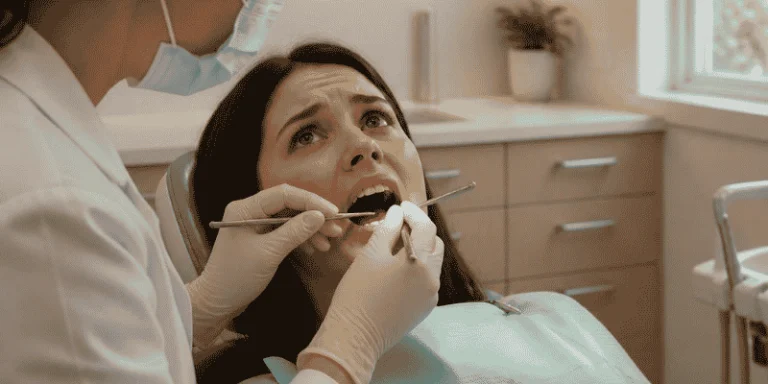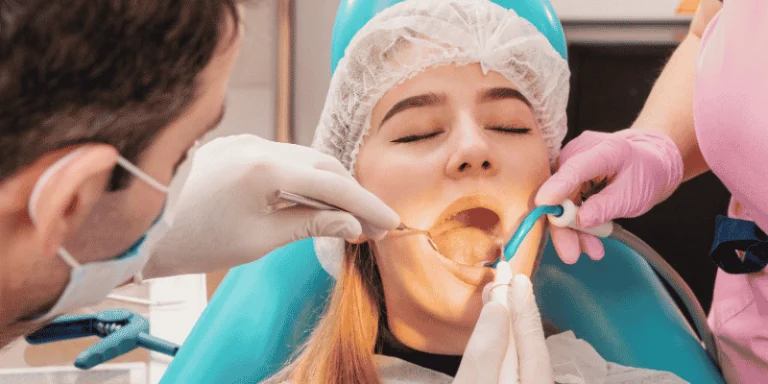



Getting an implant after a tooth extraction can feel urgent, but rushing or making common care mistakes can push your treatment back by months.
Understanding tooth extraction healing problems before implants helps you protect your gums and bone so your implant stays on track and heals successfully.
Keep the socket clean, follow your dentist’s instructions, and avoid habits that cause infection or bone loss to prevent delays.
You will learn which actions most often slow healing and what to do differently right away.
Small steps like avoiding smoking, protecting the clot, and reporting signs of infection early can cut weeks off your timeline and keep your implant plan on track.
Key Takeaways
- Follow post-extraction care closely to avoid infections that delay implants.
- Protect bone and soft tissue to reduce the need for grafting.
- Communicate with your dental team early if healing problems appear.
Why Proper Healing After Tooth Extraction Matters
Proper healing after a tooth extraction sets the stage for when and how your implant can be placed. Good care prevents infection, preserves bone, and helps your jaw be ready for the dental implant procedure.
How Healing Affects Implant Placement Timeline
If your socket heals without complications, your dentist can follow the planned timeline for implant placement. For a simple extraction, your clinician may place an implant immediately or wait 8–12 weeks for soft tissue and initial bone fill.
After surgical extractions or infections, you may need 3–6 months of healing before implant surgery so bone volume and gum tissue stabilize.
Watch for signs that delay timing: persistent bleeding, wound opening, or infection. These issues force extra visits and may require bone grafting later, which adds months to the implant placement timeline. Follow post-op care to avoid suction actions, smoking, and rinsing too early.
Consequences of Poor Post-Extraction Recovery
Poor recovery can shrink the alveolar ridge and reduce bone height and width where the implant must sit. When bone resorbs, your implant may lack the primary stability needed at placement, increasing the chance you’ll need a bone graft or sinus lift.
Infection can destroy bone around the socket and cause chronic pain. If the blood clot dislodges (dry socket), healing slows and you face more discomfort plus higher infection risk. These complications mean extra procedures, higher cost, and a longer wait before you can complete tooth replacement.
Role of Osseointegration in Implant Success
Osseointegration is the process where your jawbone bonds tightly to the titanium implant. It requires healthy, clean bone and a stable implant position at placement. If the extraction site is infected or the bone is compromised, osseointegration can fail or take much longer.
You need adequate bone volume and minimal motion during the healing period for the implant to fuse. Your dentist may measure bone density and use imaging to confirm readiness.
Protecting the extraction site and following instructions improves the chance that osseointegration will proceed normally and your implant will support a lasting restoration.
Healing does not have to be confusing. Call our Minot ND clinic now for personalized guidance and support to protect your bone and speed recovery.
Common Tooth Extraction Healing Mistakes That Cause Delays
These mistakes slow healing and can push back the date you get an implant. Fixing them early helps protect the socket, prevent infection, and keep your implant timeline on track.
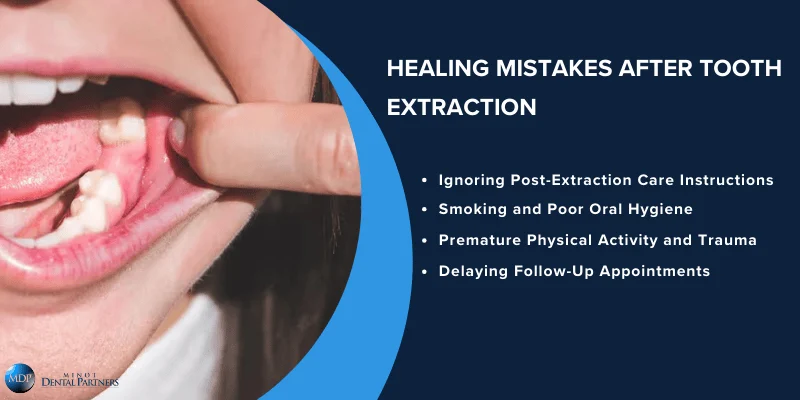
Ignoring Post-Extraction Care Instructions
After an extraction, your dentist gives specific post-operative care steps for a reason. If you skip prescribed antibiotics, stop pain meds too early, or ignore instructions about cold packs and saltwater rinses, you raise the risk of infection and delayed tissue formation.
Missing the first 24-hour rules, no rinsing, no spitting, no sucking, can dislodge the blood clot and cause a dry socket, which delays bone healing needed for implants.
Follow written care steps exactly: take meds on schedule, use a gentle saltwater rinse after 24 hours, and change gauze as instructed. If you have unusual bleeding, fever, or worsening pain, call your dentist right away so they can treat issues before they affect implant timing.
Smoking and Poor Oral Hygiene
Smoking and vaping both reduce blood flow and introduce toxins that impair bone and soft-tissue healing. This slows the formation of healthy bone in the socket, which is essential before implant placement. Smoking also increases your risk of dry socket and infection, both of which push back the implant schedule.
Keep the extraction area clean with gentle brushing around the site and saltwater rinses once the dentist allows. If you smoke, try to quit or at least stop for several weeks before and after extraction to improve outcomes.
Ask your dental team for resources to help you quit; even short-term cessation improves blood flow and healing.
Premature Physical Activity and Trauma
Heavy lifting, intense exercise, or bending over can raise your blood pressure and restart bleeding at the socket. Repeated bleeding and swelling interfere with clot stability and slow bone regeneration. Similarly, poking the wound with your tongue, fingers, or objects can dislodge tissue and introduce bacteria.
Rest for 48–72 hours after extraction and avoid strenuous exercise for at least a week or until your dentist clears you. Use an ice pack for the first day to control swelling, then keep activities light. Protect the site while eating, and avoid crunchy or sticky foods that might disturb the socket.
Delaying Follow-Up Appointments
Skipping or postponing follow-up appointments hides problems that could delay implant placement. Your dentist checks for infection, socket closure, and bone loss. If an infection or delayed healing goes untreated, the implant may need to be delayed for months while bone and tissue recover.
Attend scheduled checks and X-rays so your dentist can confirm the socket is ready for grafting or implant placement. If healing lags, your dentist can place a bone graft or prescribe treatment sooner, which shortens the total delay. Always let your team know about changes in pain, swelling, or drainage before your next visit.
Notice swelling, pain, or slow healing. Talk with our dental team right away so we can address issues early and prevent complications before they affect your implant.
Impact of Infection, Bone Loss, and Soft Tissue Healing
Infection can eat away at bone fast, change how soft tissue heals, and force extra procedures before an implant. Timely care and targeted treatments reduce the chances you’ll need grafts or long delays.
Effects of Untreated Infection on Healing
If you leave an infected socket, bacteria keep breaking down bone and soft tissue. You may see persistent pain, swelling, or a bad taste, and the infection can spread into the alveolar bone causing localized osteomyelitis. That bone damage makes immediate implant placement unsafe.
Your dentist will often delay implant work until infection clears. That delay may require antibiotics, curettage of the socket, or a course of oral hygiene and monitoring. In severe cases, surgical debridement and bone grafting become necessary before you can place an implant.
Watch for signs like fever, spreading redness, loose teeth nearby, or drainage from the socket. Report these early so your clinician can stop bone loss and preserve as much ridge as possible.
Bone Resorption and Ridge Preservation Challenges
After extraction, the ridge normally loses width and height; most loss occurs in the first three months. If infection is present, bone resorption accelerates and becomes uneven, complicating implant sizing and position.
Ridge preservation with a bone graft or socket graft helps keep bone volume. But infected sites may need cleaning first; placing graft material into an infected socket raises risk of graft failure. Your provider may choose staged treatment: clear infection, then place a graft, then wait 3–6 months to allow bone to integrate.
Plan ahead with imaging to measure ridge resorption. If the ridge is too thin, you may need guided bone regeneration, block grafts, or wider implants, each step adds time and cost.
Importance of Soft Tissue Management
Healthy soft tissue seals the socket, protects the bone graft, and shapes the gum contour for the implant crown. Poor soft tissue healing, due to infection, tension, or inadequate flap closure, leads to exposure of graft material and increased resorption.
Your clinician may use techniques like primary closure, collagen membranes, or soft tissue grafts to support healing. These options reduce the chance of graft contamination and help preserve the alveolar ridge shape. They also improve the final esthetic result around the implant.
Keep the area clean, avoid smoking, and follow post-op instructions. Good oral hygiene and early treatment of any inflammation help soft tissue heal faster and protect the bone for future implant placement.
Bone Grafting Issues and Their Role in Implant Timing
Bone grafting lets you rebuild lost jaw bone so an implant fits securely. You need enough volume and quality of bone to get good primary stability and reduce the chance of implant failure.
When and Why Bone Grafting Is Needed
You need a bone graft when the extraction socket is too wide, the ridge has resorbed, or the buccal plate is missing. Common signs are thin ridge width (<5 mm), vertical defects, or a large socket gap around the planned implant. Your clinician will evaluate with clinical exam and a CBCT scan to measure bone height, width, and the contour of the facial plate.
Grafts can be done at extraction, at implant placement, or in a staged procedure. Immediate socket grafting preserves ridge shape. Delayed grafting rebuilds volume when infection or severe bone loss exists. Choice of autograft, allograft, xenograft, or synthetic material affects healing time and how well the graft integrates.
Healing Delays After Bone Grafting Procedures
Healing time depends on graft type and location. Autografts often integrate faster, while xenografts and some synthetics resorb slowly and can delay final implant placement by several months. Typical healing windows range from 3–6 months for many grafts, but complex ridge augmentations often require 6–9 months before reliable implant placement.
Factors that delay healing include smoking, uncontrolled diabetes, infection, and poor blood supply. If the graft becomes exposed or inflamed, your clinician may need to remove material, prolonging delay. Follow instructions on oral hygiene and avoid pressure on the site to lower risk of complications that would push back implant timing.
Enhancing Implant Stability Through Bone Augmentation
Bone augmentation improves primary stability by increasing bone volume and quality at the implant site. Techniques include guided bone regeneration (GBR) with membrane and particulate grafts, block grafts for large defects, and ridge-splitting when the ridge is narrow. Each technique aims to create enough bone-to-implant contact to achieve initial mechanical stability.
You and your surgeon should plan implant diameter, length, and insertion torque based on the augmented site. Sometimes a staged approach, graft first, implant later, gives better primary stability.
In select cases, simultaneous implant placement with grafting can be used if the implant achieves adequate primary stability (often measured by torque >30 Ncm or ISQ values), but only when bone support is sufficient.
Mistakes in Choosing Implant Placement Protocols
Pick timing and loading that match the site, bone, and your health to avoid extra surgery, bone loss, or implant loss. Common errors include choosing immediate implant placement or immediate loading when the socket walls are thin, or delaying placement when ridge preservation would protect bone.
Immediate vs Early vs Delayed Implant Placement
Choosing an immediate implant (placed the same day as extraction) when the facial bone wall is thin or infected raises failure risk. Immediate implant placement needs intact socket walls, at least 1 mm facial bone thickness, good primary stability, and a thick soft tissue biotype.
If you lack these, consider early implant placement (4–16 weeks) or delayed implant placement (>6 months) to allow bone healing or grafting.
Early implant placement gives time for soft-tissue closure and partial bone healing. It suits sites with small defects or minor infection control needs.
Delayed implant placement reduces risk when significant bone loss exists but increases ridge resorption unless you use ridge preservation. Match the protocol to the socket condition, not to schedule convenience.
Mismatched Loading Protocols and Implant Failure
Linking immediate loading (prosthesis in occlusion within 1 week) to an implant without strong primary stability risks micromotion and failure. Immediate loading requires insertion torque near 25–40 Ncm or an ISQ >70, plus secure apical/lingual bone.
If these criteria are missing, choose early loading (1 week–2 months) or conventional loading (>2 months).
Immediate restoration (out of occlusion) lowers force but still needs stability. Early loading can work when bone grafts are minimal and initial stability is moderate. Conventional loading remains safest when you performed augmentation or the site shows poor bone quality.
Let measured torque and clinical tests guide your loading choice to protect osseointegration.
Individualized Strategies for Optimal Timing
Base your plan on scanned bone volume, soft-tissue thickness, infection status, and medical factors like smoking or diabetes. Use CBCT to check apical bone for primary stability when considering immediate implant placement.
If facial bone is <1 mm or socket walls are damaged, schedule early placement with possible grafting or delayed placement after ridge preservation.
Decide loading by measured insertion torque, ISQ, and occlusion demands. For esthetic anterior sites, weigh immediate restoration only if you meet strict criteria. Always have a backup plan: if you cannot achieve required stability, place a cover screw and plan conventional loading after 3–4 months.
Ensuring Smooth Healing and Preparing for Successful Implant Placement
Keep the extraction site clean, avoid pressure on the socket, and follow your clinician’s timeline for when bone grafts, abutments, or a temporary crown are appropriate.

Best Practices for Post-Extraction Recovery
After extraction, control bleeding by biting clean gauze for 30–60 minutes. Change gauze as needed and avoid spitting or rinsing hard for the first 24 hours to protect the blood clot.
Manage pain and swelling with prescribed meds and cold packs for 24–48 hours. Take antibiotics if your dentist prescribes them to lower infection risk that could delay implant surgery.
Eat soft foods like yogurt and mashed potatoes for 7–10 days. Avoid straws, smoking, and heavy lifting while the socket heals. These actions protect the clot and prevent dry socket.
Keep the area clean starting 24 hours after surgery. Gently rinse with warm salt water after meals. Brush other teeth normally but be gentle near the extraction site to protect peri-implant tissues.
Follow all follow-up appointments so your clinician can check healing and decide if a bone graft or socket preservation is needed before placing the implant fixture.
Role of Temporary Restorations and Abutment Placement
A temporary restoration or temporary crown can protect the socket and keep space for the final implant crown. Your dentist might use a healing cap or provisional crown while bone and soft tissue mature.
If bone grafting occurred, your clinician will wait for graft integration—typically 3–6 months—before placing the implant fixture. Placing an abutment too soon can stress healing bone and soft tissue and lead to recession or failure.
When ready, your clinician will expose the implant and attach an abutment or healing cap. The abutment shapes the gum tissue and supports the final crown. Expect short, local procedures for abutment placement with minor soreness afterward.
Discuss timing with your oral surgeon or implant dentist so the temporary restoration does not press on peri-implant tissues. A well-fitted provisional helps you eat and speak while tissue contours develop for a natural final crown.
Partnering with Experienced Implant Specialists
Choose an oral surgeon or implant specialist with clear experience in implant dentistry and bone grafting. Specialists can assess bone quality, place the implant fixture accurately, and time abutment placement to protect peri-implant tissues.
Ask for before-and-after photos and how many similar cases they perform yearly. Ask whether they coordinate with your restorative dentist for the temporary crown and final prosthesis.
Make sure the team discusses a clear timeline: extraction, any grafting, implant fixture placement, healing period, abutment/healing cap placement, and final crown. Clear steps reduce surprises and lower the risk of delays.
Communicate symptoms like persistent pain, swelling, or loosening immediately. Experienced teams monitor healing and adjust plans so your implant placement proceeds when tissues and bone are ready.
Take control of your recovery by contacting our team that monitors your progress closely and helps you achieve a strong healthy foundation for implants.
Frequently Asked Questions
You will find clear, practical answers about timing, warning signs, and daily habits that affect healing after an extraction. These answers focus on how long to wait, what to watch for, and actions you can take to keep your site ready for an implant.
How long should you wait after a tooth extraction before getting an implant placed?
If your bone and gums are healthy, some dentists place an implant within 24–72 hours.
More commonly, you will wait 3–6 months for bone and soft tissue to fully heal before implant surgery.
If your doctor places a bone graft, plan for an added 3–6 months of healing. Immediate or early placement (4–8 weeks) may be chosen only when infection is absent and implant stability is achievable.
What are some common signs that implant healing isn’t going as expected?
You should contact your dentist if you notice increasing pain after the first few days.
Other warning signs include persistent swelling, heavy bleeding, pus or foul taste, and a loose implant or temporary crown.
Also watch for fever, bad breath that won’t improve, or a wound that won’t close.
These signs suggest infection or failed integration and need prompt care.
Are there specific activities to avoid after a tooth extraction that could disrupt healing?
Avoid spitting, using a straw, and forceful rinsing for 48–72 hours to protect the blood clot.
Do not smoke, vape, or use tobacco; avoid heavy lifting and intense exercise for several days.
Also skip hard, crunchy, or sticky foods that can irritate the socket.
These actions lower your risk of dry socket and other complications.
What can I do to ensure proper healing before an implant procedure?
Follow your dentist’s aftercare instructions exactly, including prescribed antibiotics or pain medicine.
Keep the area clean with gentle rinses and soft brushing after the first 24 hours.
Attend follow-up visits so your provider can check bone and tissue healing.
If needed, agree to imaging (like a CBCT) to confirm bone volume before implant placement.
How might smoking or alcohol consumption affect the healing process before an implant?
Smoking reduces blood flow and delays bone and gum healing, raising the risk of implant failure.
Even light smoking can increase complications; quitting at least a few weeks before extraction and during healing improves outcomes.
Heavy alcohol use also delays healing and can interfere with medications. Limit or stop drinking while you recover.
What role does oral hygiene play during the healing period prior to implant placement?
Keeping the mouth clean lowers infection risk and helps tissues heal on schedule.
Use a soft toothbrush, avoid the socket at first, and rinse gently with saltwater or an antiseptic rinse as directed.
Good oral hygiene also preserves bone and gum health, improving the chance of successful implant placement.