

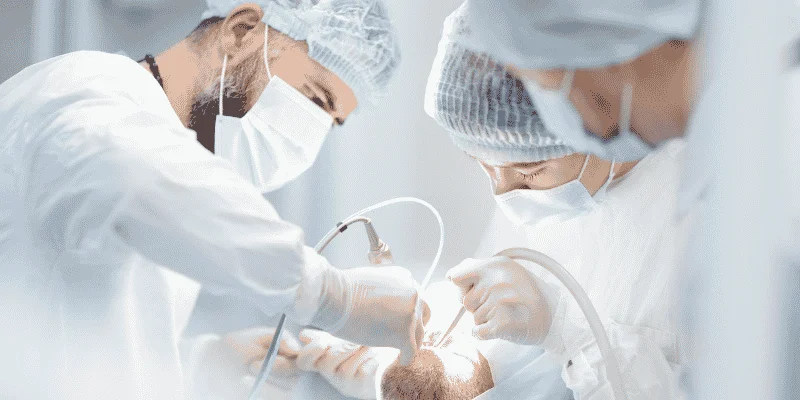
Full arch dental implant procedures involve replacing an entire set of upper or lower teeth. These surgeries typically take two to four hours per arch and require extensive work.
Unlike single-tooth implants that often need only local numbing, full-arch procedures commonly require IV sedation to keep you comfortable throughout the longer treatment time.
Sedation dentistry for full-arch implants helps you stay relaxed and pain-free during complex procedures that can last several hours, making the experience much easier for both you and your dental team.
Without proper sedation, you might experience discomfort, anxiety, or difficulty staying still during the detailed surgical work. Sedation may also reduce stress hormones and inflammation, which can help your body heal better after surgery.
Your dentist will recommend the best sedation option based on your anxiety level, overall health, and how complex your procedure will be.
Understanding why sedation matters for full-arch implants can help you feel more confident about your upcoming treatment and know what to expect on surgery day.
Key Takeaways
- Full arch implant procedures take several hours and require deeper sedation than single-tooth implants for patient comfort
- Sedation options range from nitrous oxide to IV sedation or general anesthesia depending on procedure complexity and patient needs
- Proper sedation helps reduce anxiety and stress while allowing surgeons to work more efficiently during lengthy procedures
The Importance of Sedation Dentistry for Full-Arch Implants
Full-mouth reconstruction requires extended time in the dental chair and involve multiple implant placements, which makes sedation dentistry a valuable option for managing anxiety and maintaining comfort throughout the process.
Sedation helps both you and your dental team work more effectively during these complex procedures.
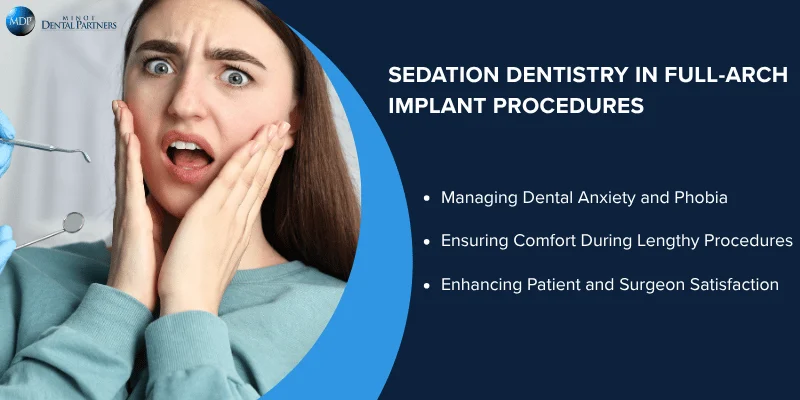
Managing Dental Anxiety and Phobia
Dental anxiety affects many patients who need implant procedures. If you have dental phobia, the thought of sitting through hours of dental implant surgery can feel overwhelming.
Sedation dentistry helps you stay relaxed while reducing the stress and fear that might otherwise prevent you from getting the treatment you need.
The calming effects of sedation allow you to remain comfortable even when you’re aware of what’s happening around you.
For patients with severe dental phobia, sedation creates a barrier between your conscious awareness and the dental work being performed.
You won’t feel the same level of panic or distress that you might experience during a standard dental visit.
Reducing stress hormones and inflammation through sedation may also support better healing after your procedure.
Ensuring Comfort During Lengthy Procedures
Full-arch implant procedures typically last much longer than routine dental work.
You might need to keep your mouth open for extended periods while your surgeon places multiple implants and completes other necessary steps.
Sedation for dental implants allows you to remain comfortable during these lengthy appointments without feeling restless or experiencing jaw fatigue. The time passes more quickly when you’re in a relaxed state.
Common benefits during long procedures include:
- Reduced awareness of time passing
- Less physical discomfort from staying in one position
- Decreased jaw muscle tension
- Lower sensitivity to sounds and vibrations
Your dental team can work more efficiently when you’re calm and still, which helps them maintain precision throughout the surgery.
Enhancing Patient and Surgeon Satisfaction
When you’re relaxed and comfortable, your surgeon can focus entirely on the technical aspects of your procedure.
Research shows that patient satisfaction tends to decrease as treatment time increases, especially during procedures lasting 90 minutes or longer.
Sedation helps bridge this gap by keeping you at ease throughout the appointment. Your surgeon can maintain better control when you’re not moving or showing signs of discomfort.
This stability leads to more predictable results and fewer complications during the placement of your full-arch restorations.
Both you and your dental team benefit from the calm environment that sedation creates, which contributes to a smoother experience from start to finish.
Key Benefits of Sedation in Full-Arch Dental Implant Procedures
Sedation offers multiple advantages during full-arch implant surgery that go beyond simple anxiety relief. You gain better pain control, allow your dental team to work more efficiently, and experience fewer interruptions from natural reflexes.
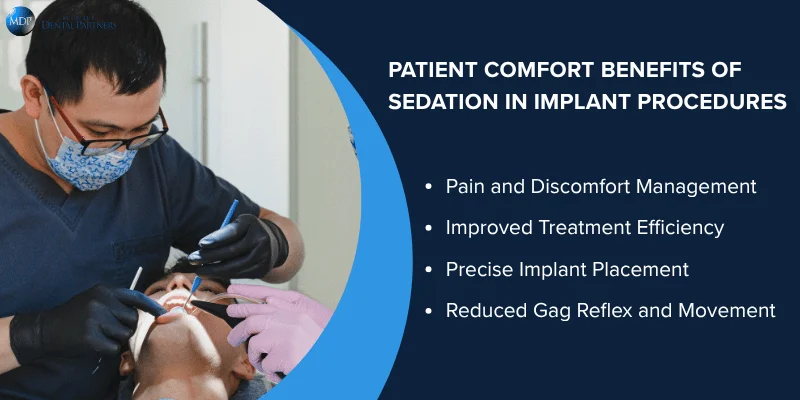
Pain and Discomfort Management
Sedation works alongside local anesthesia to keep you comfortable throughout your procedure. While local anesthetic numbs the surgical area, sedation relaxes your entire body and reduces your awareness of what’s happening.
Full-arch procedures typically last two to four hours per arch. Even with excellent pain control, staying still and relaxed for that long can be physically demanding.
IV sedation for full-arch implant procedures provides deep relaxation while you maintain protective reflexes.
The combination of sedation and local anesthesia means you won’t feel pain during the surgery. Most patients report little to no memory of the procedure afterward.
This mental comfort is just as important as physical pain control when you’re undergoing extensive dental work.
Improved Treatment Efficiency
Your dental team can work faster and more smoothly when you’re deeply relaxed. Sedation eliminates the need for frequent breaks that anxious or uncomfortable patients often require.
When you remain still and calm, your surgeon doesn’t need to pause the procedure to let you rest your jaw or settle your nerves.
This continuous workflow is especially important during critical steps like bone grafting or immediate placement of provisional teeth.
The predictability of IV sedation creates an optimal working environment. Your surgeon can focus entirely on accurate implant positioning rather than managing patient discomfort.
Procedures that might take five hours with an anxious patient can often be completed in three to four hours with proper sedation.
Precise Implant Placement
Successful dental implants depend on exact positioning in your jawbone. Even small movements during placement can affect the angle and depth of each implant.
Precise implant placement is critical for proper osseointegration and long-term implant success.
Sedation keeps you still during the most delicate surgical moments. When your surgeon drills into bone and positions titanium posts, any head movement could compromise accuracy.
Deep relaxation from sedation prevents involuntary movements that might occur from anxiety or discomfort.
This stability matters even more for full-mouth restorations where multiple implants must align perfectly. Your provisional and final teeth attach to these implants, so proper positioning affects both function and appearance.
Reduced Gag Reflex and Movement
Your gag reflex is a natural protective response, but it can interfere with dental procedures. Sedation significantly reduces this reflex, making it easier for your dental team to work in the back of your mouth.
Full-arch implants often require work near the soft palate and throat area. Without sedation, even patients with minimal gag reflexes may struggle during these portions of surgery.
Sedation allows your surgeon to complete all necessary steps without triggering this response.
Involuntary movements from coughing, swallowing, or shifting your position also decrease under sedation.
You’ll naturally respond to verbal cues from your dental team but won’t experience the fidgeting or repositioning that comes from extended time in the dental chair.
Types of Sedation Options for Full-Arch Implant Surgery
Full-arch implant procedures offer several sedation choices that match your comfort needs and the complexity of your surgery.
Each option provides different levels of relaxation, from light calming effects to complete unconsciousness, while local anesthesia numbs the surgical area in all cases.
Minimal and Moderate Sedation (Nitrous Oxide, Oral Sedation)
Nitrous oxide, commonly called laughing gas, delivers minimal sedation through a mask you wear during treatment. You breathe in the gas and feel relaxed within minutes, but you stay fully awake and aware.
The effects wear off quickly once the mask comes off, usually within five minutes.
Oral sedation uses a pill you take about an hour before your appointment to produce moderate sedation. You’ll feel drowsy and relaxed but can still respond to questions.
This option for dental implants works for less complex cases, though the medication level can’t be adjusted once you’ve taken it.
The main limitation is that both minimal sedation and oral sedatives may not provide enough comfort for lengthy full-arch procedures.
Nitrous oxide sedation rarely offers adequate relief for surgeries lasting three to four hours, and oral sedation might wear off before your procedure finishes.
IV Sedation: Deep Relaxation for Complex Procedures
IV sedation, often called conscious sedation or twilight sedation, delivers medication directly into your bloodstream for immediate effect.
You enter a state of deep relaxation where you can still respond to verbal cues but will have little to no memory of the procedure.
The key advantage is real-time control. Your sedation team can adjust medication levels throughout your surgery based on how you respond and what the procedure requires.
If you need deeper relaxation during a challenging phase, they increase the dose instantly.
IV sedation is preferred for full-arch procedures because it maintains consistent comfort during multi-hour surgeries. You’ll need someone to drive you home, and grogginess typically lasts several hours after treatment.
Most patients feel the entire procedure passed in minutes rather than hours.
A trained professional monitors your vital signs continuously, including heart rate, blood pressure, and oxygen levels throughout the surgery.
General Anesthesia: For Complete Comfort
General anesthesia renders you completely unconscious with no awareness or memory of the procedure. A specialist manages your breathing through a breathing tube, and you require extensive monitoring throughout treatment.
This option suits patients with extreme dental anxiety, complex medical conditions, or those who prefer zero awareness during surgery.
Comparing sedation options shows general anesthesia requires more preparation time, longer recovery periods, and costs significantly more than other sedation methods.
You’ll need several hours to recover before going home, and side effects like nausea and grogginess may last through the next day. Despite the deeper sedation level, it remains a safe choice when administered by qualified professionals.
Local Anesthesia and Its Role
Local anesthesia numbs the surgical area regardless of which sedation option you choose. Your dentist injects medication into your gums to block pain signals from the treatment site, ensuring you feel no discomfort during implant placement.
Even with deep sedation or general anesthesia, local anesthesia is always used. It provides the actual pain blocking while sedation manages anxiety and awareness.
The numbing effect typically lasts several hours after your procedure ends, helping control discomfort during initial recovery.
Safety Considerations and Patient Selection
Safe sedation for full-arch implant procedures depends on careful patient screening, qualified providers, and proper monitoring throughout your treatment.
Medical evaluations help identify potential risks before your procedure begins.
Screening and Medical Evaluation
Your dental team needs a complete medical history before recommending sedation. This includes current medications, allergies, past reactions to anesthesia, and any ongoing health conditions.
A standardized checklist similar to day surgery protocols helps gather this information. Your provider will ask about heart disease, lung problems, diabetes, and other conditions that might affect sedation safety.
The physical exam must include an airway assessment. Your dentist or anesthesiologist will check for factors that could make breathing difficult during sedation.
Patients are typically classified using the ASA system, which rates your overall health status from ASA 1 (completely healthy) to ASA 4 (severe systemic disease).
Stable ASA 1-3 patients generally qualify for conscious sedation in dental settings. If you have complex medical issues, your provider might recommend having an anesthesiologist present or adjusting the sedation approach.
Role of Anesthesiologists and Trained Providers
An anesthesiologist brings specialized training in airway management and emergency response. For full-arch implants, having this expertise available significantly improves safety margins.
All staff members in the room must know emergency protocols. Your sedation provider should have specific training in conscious sedation techniques, not just general dental skills.
ADA guidelines emphasize standardized practices for everyone who administers sedation. This includes dentists, doctors, nurses, and dental care professionals working as a team.
The provider administering your sedation focuses solely on monitoring you. They don’t also perform the implant surgery. This division of responsibilities helps catch complications early.
Airway Management and Monitoring Standards
Your vital signs require continuous monitoring during sedation. This includes oxygen levels, heart rate, blood pressure, and breathing patterns.
Emergency equipment must be immediately available. This includes oxygen delivery systems, suction devices, and medications to reverse sedation if needed.
Your upper airway needs protection throughout the procedure. The team watches for signs of obstruction or oversedation. If you become too sedated, the dentist pauses treatment while your airway is secured.
Physiological monitoring catches problems before they become serious. Modern monitoring equipment alerts the team to changes in your oxygen saturation or heart rhythm right away.
Preparing for Sedation and What to Expect
Your dental team will provide detailed instructions before your full-arch implant procedure to ensure your safety and comfort.
Following fasting guidelines, understanding monitoring protocols, and knowing proper aftercare steps will help you have a smooth experience from start to finish.
Pre-Surgical Instructions and Fasting
You’ll need to follow specific fasting requirements before sedation dentistry for your dental implant procedure. For IV sedation or general anesthesia, you typically can’t eat or drink anything for 6-8 hours before your appointment.
Some sedation types allow clear liquids up to 2 hours beforehand. These restrictions prevent nausea and protect your safety during the procedure.
Your dentist will review your medical history, current medications, and any allergies during your consultation. Be completely honest about all medications you take, including supplements and over-the-counter drugs.
This information helps your dental team choose the safest sedation option for you.
You’ll need to arrange for someone to drive you to and from your appointment. This person should plan to stay with you for several hours after you get home. Wear loose, comfortable clothing with sleeves that roll up easily for IV placement.
Monitoring and Recovery After Sedation
Throughout your full-arch restoration procedure, your dental team continuously monitors your vital signs. They’ll track your blood pressure, heart rate, oxygen levels, and breathing using equipment attached to your arm and finger.
After your dental implant procedures are complete, you’ll move to a recovery area. You might feel groggy, sleepy, or slightly confused as the sedation wears off. This is completely normal.
Your team will check your vital signs regularly and make sure you’re stable before releasing you. Most patients need 30-60 minutes in recovery, though this varies based on the sedation type used.
You won’t be allowed to drive, so your designated driver must be available to take you home.
Aftercare Tips for a Smooth Healing
Plan to rest for the remainder of the day after your procedure. Clear your schedule and avoid work, important decisions, or activities requiring full attention for at least 24 hours.
Foods to eat during recovery:
- Yogurt and smoothies
- Mashed potatoes
- Soup (lukewarm, not hot)
- Scrambled eggs
- Ice cream or pudding
Stay hydrated but avoid using straws, as the suction can disturb healing. Don’t drink alcohol for at least 24 hours, as it interacts with sedation medications.
Take all prescribed medications exactly as directed. Set up a comfortable recovery space at home with pillows, blankets, and easy access to water before your appointment. Having someone stay with you overnight is recommended, especially after extensive dental implant procedures.
How Sedation Dentistry Enhances Full-Arch Implant Outcomes
When you remain calm and still during your procedure, your dentist can work with greater precision, which directly improves healing and reduces your risk of complications. Sedation creates conditions that support better long-term results for your full-mouth restorations.
Better Osseointegration and Healing
Your body heals best when stress levels stay low. During sedation dentistry for full-arch dental implants, your heart rate and blood pressure remain stable, which promotes better blood flow to your surgical sites.
This improved circulation supports osseointegration, the process where your jawbone fuses with the titanium implants. When you’re relaxed, your body produces fewer stress hormones like cortisol that can slow down healing.
Sedation also helps your dentist place each implant at the exact angle and depth needed. You won’t move or flinch during critical moments, which means each implant gets positioned correctly the first time.
Proper placement is essential for your bone to grow around the implants effectively.
The reduced physical tension in your jaw muscles during sedation allows for easier access and less trauma to your surrounding tissues. This gentler approach leads to less swelling and faster recovery after your procedure.
Fewer Complications and Visits
Your procedure takes less time when you’re sedated because your dentist can work continuously without interruptions. Sedation and implant dentistry work together to reduce the number of appointments you need.
When you stay completely still and relaxed, your dentist makes fewer errors that might require correction visits. The precision achieved during sedated procedures means better initial results and less need for adjustments.
You’re also less likely to experience anxiety-related complications like elevated blood pressure or irregular heartbeat during surgery. These conditions can force your dentist to pause or postpone treatment.
The amnesic effects of IV sedation mean you won’t remember uncomfortable moments, which makes you more willing to attend follow-up appointments without fear.
Long-Term Patient Satisfaction

Your overall experience shapes how you feel about your new smile for years to come. Patients who undergo full-arch procedures with sedation report higher satisfaction rates because they don’t carry traumatic memories of the surgery.
You’re more likely to maintain proper oral hygiene and attend regular check-ups when you had a positive initial experience. This ongoing care directly affects how long your implants last.
The combination of precise placement and reduced stress during healing typically results in better aesthetic outcomes.
Your final restorations fit more comfortably and look more natural when the foundation was set under ideal conditions.
Many patients who choose sedation for their full-mouth restorations feel confident recommending the procedure to friends and family, which reflects their genuine satisfaction with both the process and results.
Frequently Asked Questions
Patients considering full-arch implants often have similar concerns about sedation options, safety, and what to expect during and after their procedure. Understanding these details helps you make informed decisions about your treatment.
What types of sedation are commonly used during full-arch implant surgery?
Full-arch implant procedures typically use intravenous (IV) sedation or general anesthesia because of the length and complexity of the surgery. IV sedation delivers medication directly into your bloodstream for faster and more consistent results.
Local anesthesia is always used alongside sedation to numb the surgical area. Some practices also offer oral sedation or nitrous oxide, though these are less common for extensive procedures like full-arch implants.
The choice between sedation options often depends on the number of implants, surgery duration, and your personal preferences.
How do I know whether I’m a good candidate for sedation during implant treatment?
Your dental team will review your complete medical history to determine if sedation is safe for you. They’ll look at factors like existing health conditions, medications you take, and any previous reactions to anesthesia.
Most patients are good candidates for some form of sedation. However, certain heart conditions, respiratory issues, or drug allergies may require special considerations or adjustments to your sedation plan.
Age, weight, and liver function can also affect how your body processes sedative medications. Your dentist will discuss the most appropriate sedation approach based on your specific medical profile.
Will I be awake or asleep if I choose sedation for my full-arch implants?
With IV sedation, you’ll be in a deeply relaxed state but not fully unconscious. You may drift in and out of awareness and likely won’t remember much of the procedure afterward.
General anesthesia puts you completely to sleep. You’ll be unconscious throughout the entire surgery and won’t be aware of anything happening.
Local anesthesia alone keeps you fully awake but with no pain in the surgical area. Many surgeons prefer general anesthesia with a dedicated anesthesiologist for full-arch procedures to ensure complete comfort during longer surgeries.
How does sedation help with dental anxiety or fear during implant procedures?
Sedation reduces anxiety by calming your nervous system and creating a sense of relaxation. For patients with dental phobia, sedation often makes implant treatment possible when they might otherwise avoid it.
You won’t experience the stress of hearing dental instruments or feeling pressure during the surgery. The medication also has amnestic properties, meaning you likely won’t remember details of the procedure.
IV sedation is particularly helpful for full-arch cases because these procedures take longer, and staying calm and still throughout the surgery improves outcomes.
What are the safety risks and side effects of sedation for full-arch implants?
Common side effects include drowsiness, nausea, headache, and dry mouth after the procedure. These typically resolve within a few hours to a day.
More serious risks like respiratory depression or allergic reactions are rare but possible. This is why your vital signs are continuously monitored throughout the procedure by trained professionals.
Certain medications can interact with sedatives, and conditions like sleep apnea or heart disease require extra precautions. Your dental team prioritizes comfort and safety by carefully evaluating your health status before recommending any sedation option.
How long will it take to recover from sedation after full-arch implant surgery?
The immediate effects of IV sedation typically wear off within a few hours. You’ll need someone to drive you home since you won’t be able to operate a vehicle safely that day.
Most patients feel mentally clear within 24 hours, though some grogginess may linger. You should plan to rest for the remainder of the day after your surgery and avoid making important decisions.
General anesthesia may take slightly longer to fully leave your system.
Professional IV sedation combined with full-arch implants creates optimal conditions for successful outcomes while ensuring you remain comfortable throughout recovery.