



You can feel calm and safe during dental surgery, but the level of comfort depends on the sedation you choose.
IV sedation usually gives deeper, faster relief and lets the team adjust your dose during the procedure, while oral sedation offers simpler, slower-acting relaxation that may work for less invasive work.
If you want precise control and stronger, quicker sedation for complex surgery, IV sedation generally gives more reliable comfort; if you prefer a pill and a lower-cost option for milder anxiety, oral sedation may be enough.
Deciding which option, IV sedation vs oral sedation, fits your needs matters for your comfort, recovery, and cost. You will learn how each method works, what to expect during surgery, and which choice aligns with your health and the type of procedure.
Key Takeaways
- IV sedation offers faster, deeper relief and adjustable control during surgery.
- Oral sedation suits milder anxiety and simpler procedures at lower cost.
- Safety and recovery needs should guide which sedation you choose.
Key Differences Between IV Sedation and Oral Sedation
You will learn who gets which method, how each is given, how deeply you’ll relax, and how quickly the drugs take effect and can be changed during treatment.
How Each Sedation Method Is Administered
Oral sedation uses a pill or capsule you take before your appointment. You usually swallow the medication 30–90 minutes prior. A common drug class is benzodiazepines. Your dentist gives instructions about food, timing, and a required ride home. You remain awake but drowsy, and you cannot change the dose once it’s taken.
IV sedation uses a small catheter placed in a vein in your hand or arm. Medication goes directly into your bloodstream through that IV. Trained staff or an anesthetist monitors you and can add drugs during the procedure.
IV requires more equipment and staff, so not every office offers it. You’ll need similar pre-appointment instructions and a companion to drive you home.
Levels of Sedation and Consciousness
Oral sedation usually produces mild to moderate conscious sedation. You feel calm, may slur words, and might not remember much afterward. You stay able to follow simple commands, which makes oral sedation suitable for routine or moderately complex work.
IV sedation can reach moderate to deep levels of sedation depending on the dose. You often stay responsive to simple prompts but may have little to no memory of the procedure. IV allows the dental team to aim for a deeper relaxation when you have severe anxiety or long, complex surgeries.
Speed of Onset and Adjustability
Oral sedation works slowly because drugs pass through the digestive system. You typically wait 30–90 minutes to feel effects, and peak action can take longer. Once you swallow the pill, you cannot increase or decrease the dose mid-procedure.
IV sedation produces a rapid onset, often within minutes. The dental team can titrate, increase, or reduce medicine in real time to keep you comfortable. That rapid onset and adjustability make intravenous sedation a better fit for long procedures where control and predictable depth of sedation matter.
If you feel anxious about dental treatment, contact Minot Dental Partners in Minot ND today to schedule a sedation consultation and discuss your comfort options.
Comfort and Patient Experience: Real Differences in Dental Surgery
You will learn how each method eases anxiety, how aware you will feel, and what steps you must take before and after sedation to stay safe and comfortable.

Managing Dental Anxiety and Fear
If you have dental anxiety or dental phobia, IV sedation often reduces fear faster because the medication acts within minutes. You’ll feel calm almost right away and your dentist can increase or decrease the dose during the procedure. That helps if you tense up, gag, or need a lot of work done in one visit.
Oral sedatives come as pills you take before your appointment. They help many people relax, but the effect varies by dose, metabolism, and timing. You may still be aware of sounds or pressure. If you have severe dental fear, oral sedation may not be strong enough.
Talk to your dentist about past reactions to sedatives, medications you take, and any breathing or heart issues. Bring a friend or family member to drive you home when you use either method.
Effects on Memory and Awareness During Procedures
IV sedation usually produces deeper relaxation and partial to full amnesia for the procedure. You may not remember pain, noises, or conversations. That lack of memory can be helpful if memories fuel your dental fear.
Oral sedation tends to make you drowsy and relaxed, but many patients keep some memory of the visit. You might remember sensations or parts of the procedure. The level of awareness depends on the drug and dose.
Both methods are types of conscious sedation: you usually keep your own airway and can respond to gentle cues. Your care team will monitor breathing, heart rate, and oxygen levels to keep you safe.
What to Expect Before, During, and After Sedation
Before: For oral sedatives, your dentist will tell you when to take the pill, often 1–2 hours before the appointment. For IV sedation, you’ll get an IV line in the arm when you arrive. You must fast for a few hours and avoid alcohol and certain medications.
During: With IV sedation you feel calm within minutes and may drift in and out of awareness. With an oral sedative you’ll become sleepy more slowly and may remain semi-aware. Staff will monitor vitals and adjust care if needed.
After: Both approaches require a responsible adult to take you home. Expect grogginess for several hours with oral sedatives and for a shorter period with IV sedation. Avoid driving, making important decisions, or using heavy machinery for at least 24 hours unless your clinician says otherwise.
When to Choose IV Sedation vs Oral Sedation
Choose based on how long or complex the procedure is, how anxious you feel, and any health issues that affect breathing, heart, or drug interactions. Talk with a sedation dentist who can match the sedation option to your medical history and the planned treatment.
Best Sedation Options for Specific Dental Procedures
For short, routine work like fillings or simple extractions, oral sedation often works well. A single pill (usually a benzodiazepine) can calm anxiety and give you partial memory loss, which many patients prefer. It’s easy to administer and usually costs less.
For longer or more invasive procedures, such as multiple extractions or full-mouth cleanings, IV sedation gives faster, deeper control. The clinician can adjust doses during the procedure to keep you comfortable without stopping treatment. IV sedation also reduces movement and gag reflex better than oral pills.
If you have needle phobia, ask about topical numbing or nitrous oxide first. Your dentist may still recommend oral sedation if the procedure is short and your health allows it.
Considerations for Dental Implants and Complex Treatments
Dental implants and bone grafting often last an hour or more and can trigger strong gag or jaw reflexes. IV sedation is commonly chosen because it provides steady, adjustable sedation and usually yields little to no memory of the procedure. That helps you stay still while the implant surgeon works precisely.
If your implant plan involves multiple stages or long chair time, IV sedation lets the team manage your comfort and vital signs continuously. This is especially useful when combining implants with bone grafts or sinus lifts.
Oral sedation may be okay for a single, simple implant in low-anxiety patients. But if your treatment is complex, or you’ve avoided dental care due to fear, a sedation dentist will likely recommend IV for safety and comfort.
Personal Preferences and Health Factors
Tell your dentist about heart, lung, liver disease, sleep apnea, or medications you take. These conditions can change which option is safest. For example, sleep apnea or certain heart meds may make deeper sedation riskier without extra monitoring.
Tell your provider if you’re pregnant, breastfeeding, or taking opioids or strong antidepressants. Your dentist may choose a milder oral dose or avoid certain drugs. Also describe past reactions to sedative, poor response to pills or excessive grogginess can steer you to IV with close monitoring.
If you value quick recovery and want less grogginess after the appointment, IV sedation often wears off faster under supervision. If you prefer no needles and lower cost, oral sedation might fit your needs, provided your medical history supports it.
Not sure which sedation is right for you. Talk with one of our dental experts and get personalized guidance based on your anxiety level and procedure.
Safety, Professional Supervision, and Recovery
You will learn how professionals watch you, what side effects to expect, and how long it takes to get back to normal. Pay attention to who gives the drugs, how they monitor your vitals, and what you must do after the procedure.
Monitoring and Roles of Dental Professionals
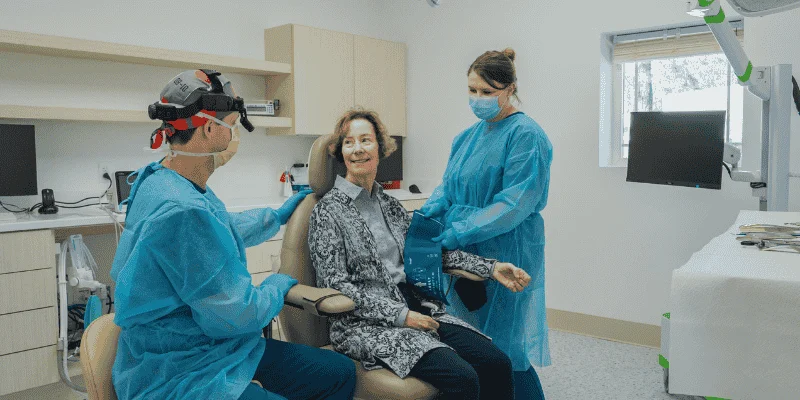
During IV sedation, a licensed anesthesiologist or a certified registered nurse anesthetist (CRNA) often manages your IV drugs and monitors breathing, heart rate, blood pressure, and oxygen levels. They use continuous pulse oximetry, blood pressure readings every few minutes, and sometimes capnography to track carbon dioxide.
Your dentist focuses on the dental work while the anesthesia provider controls sedation depth and adjusts medication as needed.
With oral sedation, your dentist or trained staff member monitors you, but an anesthesiologist or CRNA is less commonly present. Oral drugs such as benzodiazepines, for example, triazolam (Halcion) or diazepam (Valium), are given before you arrive or upon arrival.
Staff watch your consciousness level, breathing, and vitals at intervals, but IV allows tighter, real-time control.
Tell your team about sleep apnea, heart or lung disease, or current medications. These details change who should supervise you and what monitoring equipment is required. Clear instructions before the appointment reduce risk and improve safety.
Potential Risks and Side Effects
Oral benzodiazepines can cause grogginess, slowed breathing, and memory gaps. Triazolam and diazepam act differently by onset and duration: triazolam works faster and is shorter acting, while diazepam lasts longer.
Overdose risk rises if you mix sedatives with opioids, alcohol, or certain antidepressants. Allergic reactions are rare but possible.
IV sedation carries similar drug-related risks, plus a small chance of deeper-than-planned sedation. That can depress your breathing and blood pressure quickly, which is why an anesthesiologist or CRNA is often present for complex cases.
Nausea, dizziness, and headache can occur with either method. Serious complications are uncommon when providers screen your history and monitor you throughout the procedure.
If you have respiratory issues or difficult airways, inform your team. They may choose an anesthesiologist for IV care or recommend alternative plans to lower risk.
Recovery Time and Aftercare
After oral sedation with benzodiazepines like triazolam or diazepam, you will feel drowsy for several hours. Arrange someone to drive you home and stay with you for 12–24 hours if high doses were used. Avoid alcohol, heavy meals, and making important decisions for the rest of the day.
IV sedation often wears off faster after the IV is stopped, but you may still feel slow or unsteady for a few hours. An anesthesiologist or CRNA will confirm you meet discharge criteria: stable vitals, clear airway, and ability to sit and walk with minimal assistance.
Follow written aftercare: no driving, no operating machinery, and avoid sedative medications without approval.
If you notice severe breathing trouble, chest pain, or prolonged confusion after leaving, seek emergency care immediately. For non-urgent concerns, contact your dental office so they can advise next steps.
Cost, Accessibility, and Practical Considerations
IV sedation usually costs more, needs special staff and equipment, and may require extra clinic time. Oral sedation costs less and is widely available, but it offers less control during long or complex surgery. Insurance, clinic setup, and your anxiety level often decide which option you can use.
Cost Differences Between IV and Oral Sedation
IV sedation often runs between several hundred to over a thousand dollars per appointment because it needs monitoring equipment and trained personnel. Expect higher fees if an anesthesiologist or certified nurse anesthetist joins the team.
Oral sedation typically costs much less, commonly a few hundred dollars for the drug and monitoring. The drug is given as a pill before your visit and needs less clinic time and fewer staff.
If your procedure is long, IV costs rise with time and monitoring needs. Ask the office for an itemized estimate that lists medication, monitoring, staff, and recovery time so you can compare options clearly.
Availability and Insurance Coverage
Many general dental offices offer oral sedation because dentists can prescribe pills and manage conscious sedation with usual monitoring tools. IV sedation is available at fewer offices and often requires referral to a clinic with trained sedation providers.
Insurance sometimes covers sedation when it’s medically necessary for surgery or severe fear. Coverage varies by plan and reason. You should call your insurer, give procedure and sedation codes, and ask about preauthorization.
If you need IV sedation, ask the clinic whether they work with your insurer and whether they can submit claims. Some clinics also offer financing or bundled pricing for sedated procedures.
Accessibility for Dental Anxiety Patients
If you have moderate anxiety, oral sedation can make routine surgery manageable and lets you stay at a community dental office. Pills like benzodiazepines reduce fear and let the dentist work while you stay conscious.
For severe dental phobia or long, complex surgery, IV sedation gives faster onset and adjustable levels during the procedure. That helps you stay comfortable through long appointments and often causes little memory of the experience.
Tell your dentist about medical conditions, medications, and previous reactions to sedation. Those details determine eligibility for each option and whether you need an anesthesiologist, monitoring devices, or a specific recovery plan.
- Dental sedation options to ask about: nitrous oxide, oral benzodiazepines, IV benzodiazepines, and general anesthesia.
- Before you book, request a written plan that lists costs, personnel, and required post-op care.
Right here in Minot ND, our team offers safe gentle sedation solutions designed to help you relax. Call now to reserve your stress free visit.
Frequently Asked Questions
This section explains how IV and oral sedation differ in level of control, onset time, common drugs, side effects, and recovery. Read the short answers to decide which option matches your anxiety level, procedure length, and need for predictable dosing.
What differences can I expect between IV and oral sedation during my dental surgery?
IV sedation works within minutes because medication goes straight into your bloodstream. Your dentist can adjust the dose during the procedure to keep you at the right level of calm.
Oral sedation uses pills you take 30–90 minutes before your appointment. Effects come on slower and cannot be changed once you’ve swallowed the pill, which makes timing and dosing less flexible.
How do IV and oral sedation compare in terms of pain control?
Neither IV nor oral sedation is a substitute for local anesthesia that numbs the surgical site. Both methods mainly reduce anxiety and awareness, not pain.
IV sedation often leads to less memory of the procedure, so you may perceive less discomfort afterward. Oral sedation can ease anxiety but may not blunt sensations as strongly during longer, more invasive surgery.
What are the common drugs used for oral sedation in dentistry?
Dentists commonly prescribe benzodiazepines such as triazolam, diazepam, or lorazepam for oral sedation.
Dosages vary: triazolam is often low-dose and fast-acting; diazepam and lorazepam last longer.
Your dentist will pick a drug and dose based on your medical history, other medications, and the expected length of the procedure.
Is there a feeling of anxiety or discomfort with either IV or oral sedation?
You may still feel some awareness or light pressure during the procedure with either method.
Oral sedation can leave you drowsy but still able to respond; it may not erase anxiety fully for people with severe phobia.
IV sedation often produces deeper relaxation and partial or full amnesia for the event, which reduces anxiety for many patients.
Both methods can cause side effects like nausea, grogginess, or dizziness.
How does recovery time compare between IV sedation and oral sedation?
IV sedation effects often wear off faster after the IV is stopped, but you’ll still need monitoring and a ride home. Most people feel fairly alert within a few hours, though grogginess can persist.
Oral sedation can cause drowsiness for the rest of the day because the drug stays in your system longer. You should plan for slower recovery and avoid driving or operating machinery for 24 hours.
What should patients consider when choosing between IV and oral sedation for their dental procedures?
Consider how long and complex your surgery will be, and how strongly you react to dental anxiety.
For long or invasive procedures and severe fear, IV sedation gives faster control and on-the-spot dose adjustments.
Also weigh cost, provider availability, and medical history.
Ask your dentist about monitoring, who will administer sedation, and any drug interactions with your current medications.