

A U.S. study found that about 72.6% of adults reported being afraid of going to the dentist, though not all of these experiences would meet strict clinical definitions of “dental anxiety.” This put off getting the tooth replacements they need due to fear.
If you worry about dental implant surgery, you should know that sedation dentistry helps anxious patients undergo treatment calmly and comfortably. Sedation options allow you to stay relaxed during your implant procedure while your dentist works efficiently to restore your smile.
The truth is that dental implant sedation makes painless procedures a reality for nervous patients. You have several sedation choices available, from mild relaxation to deeper sleep states. Each option is designed to match your level of anxiety and the complexity of your surgery.
Understanding how sedation dentistry for dental implant surgery can transform your experience. This guide walks you through the different sedation types, safety measures, and what to expect during recovery so you can feel confident about moving forward with your treatment.
Key Takeaways
- Sedation dentistry reduces fear and discomfort during dental implant surgery for anxious patients
- Multiple sedation options exist to match your anxiety level and procedure complexity
- Proper screening and safety measures ensure comfortable implant procedures with positive outcomes
Understanding Dental Anxiety and Implant Surgery
Dental fear affects how patients approach implant surgery, often causing them to delay or avoid treatment entirely. The emotional and physical responses to dental implants can range from mild nervousness to severe phobia that interferes with getting necessary care.
Common Causes of Dental Fear
Your dental anxiety often stems from multiple sources that make implant surgery feel overwhelming. Previous traumatic dental experiences rank among the most common triggers, especially if you’ve had painful procedures in the past.
Fear of pain during oral surgery tops the list of concerns. You might worry about needles, drills, or the recovery process after getting dental implants.
Loss of control is another major factor. When you’re in the dental chair, you can’t see what’s happening, which creates feelings of helplessness.
Other common causes include:
- Embarrassment about the condition of your teeth
- Fear of gagging or choking during procedures
- Sensitivity to sounds like drilling or scraping
- Previous trauma from childhood dental visits
- General anxiety disorders that extend to dental settings
Some surveys report that a large proportion of adults experience some degree of dental fear or anxiety, with estimates ranging up to 50–80% of adults, depending on how anxiety is defined (from mild apprehension to severe fear).
Impact of Anxiety on Treatment Decisions
Your dental phobia directly affects whether you move forward with implant surgery. Many patients put off treatment for months or even years because the fear feels too intense to overcome.
Delaying dental implants allows existing problems to worsen. You might experience bone loss in your jaw, which makes future implant placement more complex and expensive.
The cycle of avoidance creates additional problems:
- Increased treatment complexity over time
- Higher costs for more extensive procedures
- Continued embarrassment about missing teeth
- Reduced quality of life and confidence
Dental anxiety leads to avoidance and compromised oral health, creating a pattern where fear prevents you from getting the care you desperately want.
Emotional and Physical Responses to Dental Implants
Your body reacts to dental implant anxiety in measurable ways. These responses can start days before your scheduled appointment.
Physical symptoms you might experience include:
- Rapid heartbeat or palpitations
- Sweaty palms and increased perspiration
- Difficulty sleeping the night before
- Nausea or stomach discomfort
- Trembling or shaking hands
- Tense jaw and shoulder muscles
Emotional responses often involve:
- Feeling trapped or unable to escape
- Overthinking every detail of the procedure
- Catastrophic thinking about worst-case scenarios
- Panic attacks when entering the dental office
These reactions cause muscle tension and fatigue that make it harder for you to stay still during treatment. Your heightened awareness of sounds, sensations, and smells in the dental office amplifies your discomfort.
The good news is that recognizing these patterns helps you understand that your fear is valid and treatable. Modern sedation options specifically address both the emotional and physical aspects of dental fear.
Schedule a sedation dentistry consultation with Minot Dental Partners in Minot, ND and let our team help you get the implants you need, comfortably and confidently.
How Sedation Dentistry Transforms the Implant Experience
Sedation for implant surgery addresses three critical aspects of patient care: emotional well-being, physical comfort, and procedural outcomes.
Modern implant dentistry combines advanced sedation techniques with proven pain management strategies to create a better experience from start to finish.
Reducing Fear and Stress for Patients
Sedation dentistry helps anxious implant patients by creating a calm mental state before and during your dental implant procedure. When you’re anxious about implant treatment, your body releases stress hormones that can increase heart rate and blood pressure. Sedation counteracts these physical responses.
You can choose from different sedation levels based on your anxiety level. Mild relaxation through oral sedation helps you stay awake but feel less nervous. Deeper sedation options allow you to remain barely conscious while your dentist completes the implant placement.
The type of sedation you receive depends on the length of your procedure and your medical history. Midazolam and propofol are commonly used sedatives that work quickly and wear off after surgery. Your dental team monitors your vital signs throughout the entire procedure to keep you safe.
Many patients who were too fearful to get implants can now move forward with treatment thanks to sedation dentistry. This means you don’t have to live with missing teeth because of dental anxiety.
Enhancing Comfort and Minimizing Pain
Sedation makes dental implants comfortable by working together with local anesthetics to control pain and discomfort. Your dentist uses numbing medication at the surgical site while sedation helps you feel relaxed and less aware of what’s happening.
Pain control during implant surgery requires both local anesthesia and appropriate sedation levels. The local anesthetic blocks nerve signals from the treatment area. Sedation reduces your perception of any pressure or sounds during the procedure.
Patient comfort improves significantly when sedation and pain management work together. You won’t feel the drilling or placement of the implant post into your jawbone. The sedation also reduces your memory of the procedure, which helps if you need additional dental work later.
Studies show that longer dental implant procedures benefit most from sedation. When your surgery takes 90 minutes or more, the effects of local anesthesia may start to fade without proper sedation support.
Improving Surgical Efficiency and Precision
Sedation is a game-changer for dental implant patients because it helps your surgeon work more effectively. When you’re relaxed and still, your dentist can focus completely on precise implant placement without interruptions.
Patient movement during surgery can affect the accuracy of implant positioning. Sedation keeps you calm and reduces involuntary movements that might interfere with the procedure. Your surgeon can complete complex cases more efficiently when you’re comfortable.
Modern dentistry uses sedation to stabilize your heart rate and blood pressure during surgery. This creates safer conditions, especially if you have cardiovascular concerns. Stable vital signs mean your dentist can use the necessary local anesthetics without worry about adverse reactions.
The combination of sedation and proper pain control lets your dental team complete more work in a single visit. This means fewer appointments and faster progress toward your final restoration.
Types of Sedation Used in Dental Implant Surgery
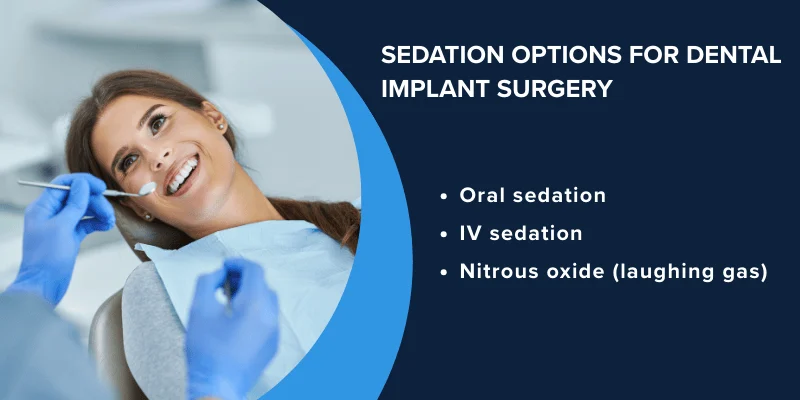
Dental professionals offer several sedation methods to help you feel comfortable during implant procedures. The three main sedation types include oral medications for moderate anxiety, intravenous options for deeper relaxation, and nitrous oxide for mild nervousness.
Oral Sedation for Moderate Anxiety
Oral sedation involves taking medication in pill form before your dental implant appointment. Your dentist typically prescribes a benzodiazepine, which you’ll take about 30 to 60 minutes before the procedure begins.
This sedation option works by helping you feel drowsy and relaxed while you remain conscious throughout the procedure. You’ll still be able to respond to your dentist’s questions and instructions.
Oral conscious sedation is especially helpful if you experience moderate anxiety about dental work. The medication takes the edge off your nervousness without requiring needles or monitoring equipment. You’ll need someone to drive you home after your appointment since the effects can last several hours.
The main advantage of this sedation method is its convenience and non-invasive nature. Your sedation dentist will review your medical history to determine if oral sedation is right for you.
IV Sedation for Deep Relaxation
Intravenous sedation delivers medication directly into your bloodstream through a vein. This method provides a deeper level of relaxation compared to oral options.
IV sedation works quickly and allows your dentist to adjust the medication level during your procedure. You’ll likely have little to no memory of the surgery afterward. This dental sedation option is ideal if you have severe anxiety or need extensive implant work.
Your vital signs are monitored throughout the entire procedure to ensure your safety. While you’re deeply relaxed, you can still respond to verbal commands if needed.
Deep sedation through IV is recommended for lengthy procedures or patients who struggle with traditional sedation methods. The recovery time is longer than other options, and you’ll need someone to stay with you for several hours after leaving the office.
Nitrous Oxide (Laughing Gas) for Mild Nervousness
Nitrous oxide, commonly called laughing gas, is inhaled through a small mask placed over your nose. This sedation for dental implants creates an immediate calming effect while keeping you fully conscious and alert.
The gas wears off quickly once your dentist removes the mask. You’ll feel relaxed during the procedure but can drive yourself home afterward. This makes nitrous oxide one of the most convenient conscious sedation options available.
Laughing gas works well if you have mild anxiety about dental visits. It helps take the edge off your nervousness without the deeper effects of oral or IV sedation. Your dentist can easily adjust the amount of gas you receive during the procedure.
Most patients tolerate nitrous oxide well, and it has minimal side effects. This sedation method is often combined with local anesthesia to keep you comfortable throughout your implant surgery.
Take the stress out of dental implants. Click to explore all sedation options at Minot Dental Partners so you can feel calm and confident before your next implant appointment.
Advanced Sedation: General Anesthesia for Complex Cases
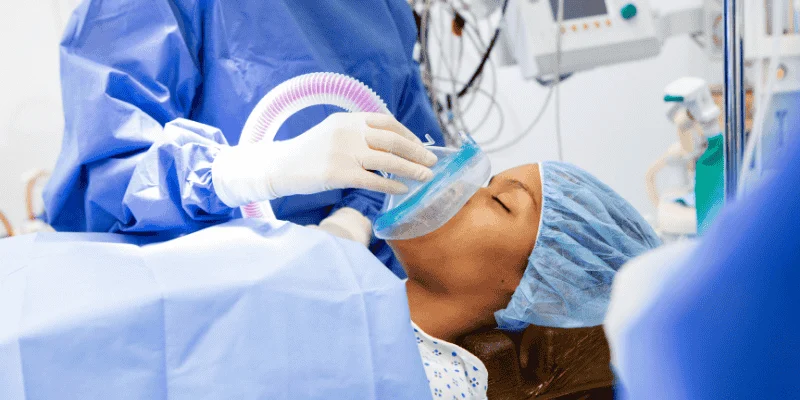
General anesthesia provides complete unconsciousness for patients who need extensive implant work or cannot tolerate lighter sedation methods. This approach requires hospital or surgical center settings with specialized medical staff managing your vital functions throughout the procedure.
Indications for General Anesthesia
Your dentist may recommend general anesthesia for cases that demand complete unconsciousness or full airway control. This level of sedation works best when you need multiple implants placed at once or require bone grafting procedures that take several hours to complete.
Patients with severe dental anxiety that prevents any cooperation benefit from this option. If you have special medical needs or physical limitations that make it hard to stay still, general anesthesia eliminates movement entirely. Complex cases like full-arch implants or sinus lifts often need this deeper sedation protocol.
Your medical history plays a big role in this decision. Some patients cannot achieve adequate comfort with local anesthesia alone or moderate sedation protocols due to anxiety levels or the scope of surgery planned.
Procedure and Patient Experience
An anesthesiologist or CRNA stays with you during the entire procedure to manage your breathing and monitor your body’s responses. You receive medications through an IV that put you completely to sleep before any work begins. Local anesthetics are still used at the surgical sites to help with pain control after you wake up.
You won’t remember anything about the surgery or feel any sensations during the procedure. Your airway gets protected with specialized equipment while the dental team completes your implant placement. Recovery takes longer than lighter sedation protocols, usually requiring several hours in a monitored area before you can go home with a responsible adult.
Safety Measures and Patient Screening in Sedation Implant Dentistry
Sedation dentistry requires careful planning and monitoring to protect your health during implant procedures. Your dental team will screen your medical history, monitor your vital signs throughout surgery, and prepare for any unexpected situations.
Pre-Treatment Assessment and Screening
Your dentist will complete a detailed health evaluation before approving you for sedation. This assessment includes reviewing your complete medical history, current medications, previous sedation experiences, and any allergies you may have.
Patient screening examines several important factors to determine if sedation is safe for you. Your doctor will check for heart conditions, breathing problems, liver or kidney disease, and medication interactions. They’ll also ask about your anxiety levels and comfort needs during the procedure.
This screening process helps your dental team choose the right sedation level for your situation. Some patients only need minimal sedation with nitrous oxide, while others benefit from deeper sedation options. Your age, weight, and overall health status all affect which sedation protocol works best for you.
Sedation Monitoring and Safety Protocols
During your implant surgery, trained staff will continuously track your vital signs using specialized equipment. Monitoring includes checking your oxygen levels, blood pressure, heart rate, and breathing patterns throughout the entire procedure.
Your dental team follows strict sedation protocols to maintain your safety. They calculate medication doses based on your specific weight and health factors. The team administers sedatives gradually while watching how you respond.
Emergency equipment stays ready in the treatment room at all times. This includes oxygen supplies, reversal medications, and resuscitation devices if needed.
Managing Potential Risks and Complications
Your dental office prepares for rare complications by maintaining advanced training in emergency response procedures. Staff members hold certifications in cardiac life support and practice emergency drills regularly.
Reversal medications can quickly counteract sedative effects if any problems arise. Your team knows exactly how to respond to issues like breathing difficulties, blood pressure changes, or allergic reactions.
After your procedure ends, monitoring continues in a recovery area. Staff will observe you until you meet specific discharge criteria. You’ll receive clear instructions about eating, activity restrictions, and warning signs that require contacting your dentist.
Recovery, Aftercare, and Outcomes for Anxious Patients
Recovery from dental implant surgery with sedation requires proper care and attention, but the process is manageable when you follow your dentist’s guidelines. Understanding what to expect during healing and how sedation impacts your recovery helps you achieve successful osseointegration and long-term implant success.
Post-Operative Care and Instructions
After your dental implant procedure, you’ll need someone to drive you home since sedation effects can last several hours. Plan to rest for the remainder of the day and avoid operating machinery or making important decisions.
Your dentist will provide specific instructions for caring for the titanium post insertion site. You should eat soft foods for the first few days and avoid hot liquids immediately after surgery. Keep the surgical area clean by gently rinsing with salt water starting 24 hours after the procedure.
Important post-operative guidelines include:
- Take prescribed medications exactly as directed
- Apply ice packs to reduce swelling during the first 48 hours
- Avoid smoking and alcohol during initial healing
- Don’t disturb the surgical site with your tongue or fingers
If you had bone grafting along with your implant placement, you’ll need extra care to protect the graft site during healing.
Managing Recovery and Expected Side Effects
You might experience some grogginess, drowsiness, or mild nausea as the sedation wears off completely. These effects typically resolve within 24 hours for most patients.
Common side effects from the implant surgery itself include mild swelling, bruising, and discomfort around the tooth replacement site. Your dentist may prescribe pain medication or recommend over-the-counter options to manage any discomfort. Most patients find that pain peaks around day two or three, then gradually improves.
Minor bleeding or oozing is normal for the first day. Bite gently on gauze if needed, but avoid excessive spitting or using straws, which can dislodge blood clots.
Contact your dentist immediately if you develop severe pain, excessive bleeding, signs of infection, or reactions to sedation that don’t improve after 24 hours.
Long-Term Benefits of Sedation Dentistry in Implants
Research highlights that using sedation during implant surgery reduces your anxiety and creates a more positive dental experience overall. This improved experience often makes you more willing to complete necessary follow-up appointments and maintain proper oral care habits.
Research shows that patients who receive dental implant sedation report higher satisfaction with their treatment. You’re more likely to return for routine checkups and any additional tooth replacement needs when you’ve had a comfortable first experience.
The calm environment created by sedation allows your surgeon to work more precisely, potentially improving placement accuracy. Better surgical conditions can contribute to successful osseointegration, where your bone properly fuses with the titanium post over several months.
Many anxious patients who previously avoided dental care finally get the implants they need when sedation options are available. This means better oral health, restored function, and improved confidence in your smile for years to come.
Your comfort is our priority every step of the way at Minot Dental Partners. Contact us to discuss safety protocols and how sedation keeps you calm, monitored, and relaxed during implant surgery
Frequently Asked Questions
Sedation dentistry uses medication to help you relax during dental implant surgery, with options ranging from mild laughing gas to deeper oral sedation. Understanding how each method works and what to expect can help you feel more confident about your treatment.
Can you explain what sedation dentistry is and how it’s used during implant surgery?
Sedation dentistry uses medication to help you stay calm and comfortable during dental procedures. It’s especially helpful for implant surgery because the process involves placing titanium posts into your jawbone.
Your dentist will give you sedation medication before or during the procedure. The medication helps reduce anxiety and makes you feel more relaxed while your dentist works.
You’ll still receive local anesthesia to numb the treatment area. The sedation works alongside the numbing medication to create a more comfortable experience overall.
What are the benefits of choosing sedation dentistry for dental implants if I have dental anxiety?
Sedation dentistry helps anxious implant patients by reducing fear and suppressing unpleasant sensations during treatment. You can finally get the dental care you need without overwhelming stress.
The medication calms your nerves and helps you sit still during the procedure. This allows your dentist to work more precisely and efficiently.
Sedation also reduces your gag reflex, which can interfere with dental work. You’ll have less discomfort during and after surgery compared to having the procedure without sedation.
Are there different levels of sedation available for dental implant procedures, and how do I know which one is right for me?
There are three main sedation levels available for implant surgery. Nitrous oxide provides mild sedation and keeps you fully awake but relaxed.
Oral sedation offers moderate relaxation by taking a prescribed pill before your appointment. You’ll feel drowsy but still conscious during the procedure.
General anesthesia puts you completely to sleep and is typically reserved for extensive surgeries. Your dentist will recommend the best option based on your anxiety level, the complexity of your procedure, and your medical history.
How does the sedation process work to keep me comfortable during dental implant surgery?
Your dentist will review your medical history before selecting a sedation method. They’ll check for any allergies or health conditions that might affect your sedation choice.
For nitrous oxide, you’ll breathe the gas through a mask placed over your nose. With oral sedation, you’ll take a pill about an hour before your appointment.
Your dental team monitors your heart rate, blood pressure, and oxygen levels throughout the procedure. This ensures you stay safe and comfortable from start to finish.
What should I expect in terms of recovery after sedation dentistry for implant surgery?
Your recovery time depends on which sedation method you receive. Nitrous oxide wears off within minutes, so you can drive yourself home and return to normal activities right away.
Oral sedation takes longer to leave your system. You’ll need someone to drive you home, and you might feel groggy for a few hours after your appointment.
General anesthesia requires the longest recovery period. You’ll need to rest for several hours and avoid making important decisions until the medication fully wears off.
Is sedation dentistry safe and what are the risks associated with it during dental implants?
Sedation methods are safe when administered by trained professionals who monitor your vital signs throughout the procedure. Dentists and anesthesiologists receive specialized training to provide sedation safely.
Nitrous oxide is considered one of the safest options because it has minimal effects on your body. It works quickly and leaves your system fast.
All sedation methods carry some risks, but complications are rare. Your dentist will screen you carefully and customize your sedation based on your specific needs to minimize any potential issues.